
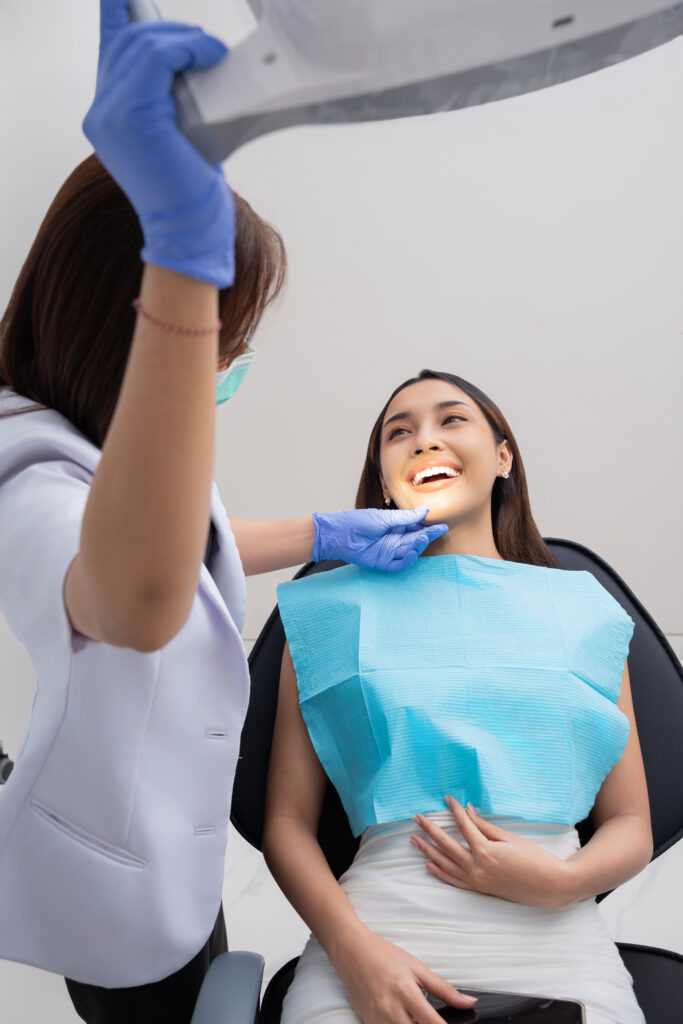
Why Professional Dental Scaling Is Essential for Healthy Gums?
A bright smile is one of the first things people notice, but true oral health goes far beyond having white teeth. Healthy gums, clean tooth surfaces, and regular professional care are essential for preventing dental problems that can affect your overall well-being.
One of the most important preventive dental treatments is professional teeth scaling. Many people mistakenly believe that brushing and flossing alone are enough to remove all plaque and bacteria. While daily oral hygiene is essential, some deposits become too hard to remove at home.
Professional teeth scaling removes hardened tartar, plaque buildup, and bacteria that accumulate around the teeth and below the gum line. This simple procedure helps prevent gum disease, tooth decay, and bad breath while maintaining a healthier smile for years to come.
Whether you are planning your first dental visit or wondering if it is time for another dental check-up, this comprehensive guide explains everything you need to know about teeth scaling.
What Is Teeth Scaling?
Dental scaling is a foundational, non-surgical procedure used to eliminate accumulated plaque and hardened tartar (calculus) from the teeth. Because tartar cannot be removed by regular brushing alone, it remains the leading cause of gum disease (gingivitis). Dentists use specialized ultrasonic scalers to safely chip away plaque from the surface and beneath the gumline.
Modern dental clinics typically use two methods:
- Ultrasonic scaling
- Manual scaling instruments
Many dentists combine both techniques to achieve the best cleaning results.
Why Plaque and Tartar Are Harmful
Every day, bacteria naturally accumulate inside the mouth.
When food particles combine with bacteria, they form a sticky film called plaque.
If plaque is not removed regularly, it hardens into tartar.
Tartar cannot be removed by:
- Brushing
- Mouthwash
- Dental floss
Only professional dental instruments can safely remove it.
Over time, tartar buildup may cause:
- Gum inflammation
- Bleeding gums
- Persistent bad breath
- Tooth sensitivity
- Gum recession
- Tooth mobility
- Periodontal disease
Ignoring tartar buildup allows bacteria to multiply below the gum line, increasing the risk of severe gum infections.
Signs You Need Teeth Scaling
Many patients wait until they experience pain before visiting a dental clinic. Unfortunately, gum disease often develops without noticeable symptoms during its early stages.
Common warning signs include:
Bleeding Gums
If your gums bleed while brushing or flossing, it may indicate gingivitis caused by plaque accumulation.
Persistent Bad Breath
Chronic bad breath is frequently linked to bacteria hiding beneath tartar deposits.
Yellow or Brown Deposits
Visible tartar usually appears near the gum line and cannot be removed by brushing.
Swollen Gums
Healthy gums should appear firm and pink.
Red, swollen gums are signs of inflammation.
Sensitive Teeth
Plaque and gum recession may expose sensitive tooth roots.
Benefits of Professional Teeth Scaling
Professional scaling offers much more than cosmetic improvements.
Removes Harmful Bacteria
Scaling significantly reduces bacterial colonies responsible for gum infections.
Prevents Gum Disease
Removing plaque and tartar prevents gingivitis from progressing into periodontitis.
Fresher Breath
By eliminating bacteria and food debris, scaling helps improve breath odor.
Reduces Tooth Decay
Cleaner teeth are less likely to develop cavities.
Protects Your Smile
Healthy gums provide stronger support for your teeth throughout life.
Improves Overall Health
Research has linked gum disease with several systemic health conditions, making preventive dental care even more important.
Who Should Get Teeth Scaling?
Most adults benefit from regular scaling.
It is especially recommended for people who:
- Smoke
- Drink coffee frequently
- Wear braces
- Have diabetes
- Experience bleeding gums
- Have excessive tartar buildup
- Wear crowns or bridges
- Have previous gum disease
Even patients with excellent oral hygiene should schedule routine professional cleaning because some tartar forms in areas impossible to reach with a toothbrush.
The Teeth Scaling Procedure Explained
Many people feel anxious before their first scaling appointment.
Understanding the process can help reduce unnecessary fear.
Step 1: Oral Examination
Your dentist first examines your teeth and gums.
They assess:
- Gum condition
- Tartar accumulation
- Tooth mobility
- Signs of infection
- Existing restorations
Step 2: Ultrasonic Scaling
An ultrasonic scaler uses gentle vibrations to break apart hardened tartar.
Water continuously cools the instrument while washing away debris.
Step 3: Manual Cleaning
The dentist uses specialized hand instruments to remove remaining deposits.
Step 4: Polishing
After scaling, the teeth are polished to remove minor surface stains and smooth the enamel.
Smooth surfaces make it harder for plaque to accumulate.
Step 5: Oral Hygiene Advice
Before leaving, patients receive personalized instructions on maintaining their oral health at home.
Does Teeth Scaling Hurt?
This is one of the most common questions patients ask.
The answer depends on several factors:
Healthy gums generally experience only mild discomfort.
Patients with severe tartar buildup or gum inflammation may experience temporary sensitivity.
If necessary, local anesthesia can be used to ensure maximum comfort.
Modern ultrasonic equipment has made scaling much gentler than older techniques.
How Long Does the Procedure Take?
Treatment time varies depending on oral health.
Typical appointments include:
- Mild buildup: 20–30 minutes
- Moderate buildup: 30–45 minutes
- Heavy tartar: 45–60 minutes
Patients with advanced periodontal disease may require multiple appointments.
Recovery After Teeth Scaling
Recovery is usually quick.
Some temporary symptoms include:
- Mild sensitivity
- Slight gum tenderness
- Minor bleeding
- Cold sensitivity
These symptoms generally disappear within a few days.
If severe pain persists, patients should contact their dentist immediately.
Aftercare Tips
Proper aftercare helps maximize the benefits of professional cleaning.
Brush Twice Daily
Use a soft-bristled toothbrush with fluoride toothpaste.
Floss Every Day
Floss removes plaque between teeth where brushes cannot reach.
Avoid Smoking
Smoking delays gum healing and increases plaque buildup.
Drink Plenty of Water
Water helps rinse away bacteria throughout the day.
Limit Sugary Foods
Sugar feeds bacteria responsible for plaque formation.
Schedule Regular Dental Check-Ups
Routine examinations allow dentists to detect problems before they become serious.
Common Myths About Teeth Scaling
Myth 1: Scaling Damages Teeth
False.
Scaling removes tartar—not healthy enamel.
Myth 2: Teeth Become Loose
Teeth may feel different after large tartar deposits are removed, but scaling does not loosen healthy teeth.
Myth 3: Healthy Teeth Don’t Need Scaling
Even healthy mouths accumulate tartar over time.
Myth 4: Scaling Is Only Cosmetic
Scaling is primarily a preventive health treatment.
How Often Should You Get Teeth Scaling?
Most dentists recommend professional scaling every six months.
However, patients with higher risk factors may benefit from more frequent visits, such as every three to four months.
Your dentist will recommend an appropriate schedule based on:
- Gum health
- Smoking habits
- Medical conditions
- Oral hygiene
- Previous periodontal disease
Scaling vs. Teeth Whitening
Many people confuse scaling with whitening.
Although both improve appearance, they serve different purposes.
| Teeth Scaling | Teeth Whitening |
|---|---|
| Removes tartar | Removes stains |
| Improves gum health | Improves tooth color |
| Prevents disease | Cosmetic treatment |
| Medical procedure | Aesthetic procedure |
Many patients choose scaling before whitening because cleaner teeth allow whitening treatments to produce more consistent results.
Scaling and Overall Health
Oral health is closely connected to general health.
Chronic gum inflammation has been associated with conditions such as cardiovascular disease, diabetes management challenges, and adverse pregnancy outcomes. While scaling is not a cure for these conditions, maintaining healthy gums can reduce oral inflammation and support overall wellness as part of a preventive healthcare routine.
Regular professional cleaning also lowers the bacterial load in the mouth, helping protect both your teeth and gums over the long term.
Why Regular Dental Check-Ups Matter
Teeth scaling is most effective when combined with routine dental examinations.
During a dental check-up, your dentist can:
- Detect cavities early
- Monitor gum health
- Check existing fillings and crowns
- Screen for oral abnormalities
- Recommend preventive treatments
- Create a personalized oral care plan
Preventive care is almost always less invasive and more affordable than treating advanced dental disease.
Why Choose a Professional Dental Clinic?
Choosing a trusted dental clinic ensures that scaling is performed safely, comfortably, and according to professional clinical standards.
A quality dental clinic provides:
- Experienced dentists
- Modern ultrasonic equipment
- Sterile treatment protocols
- Personalized treatment plans
- Comprehensive oral health assessments
- Preventive and restorative dental services
Professional care not only removes tartar effectively but also helps identify potential issues before they become more serious.
Frequently Asked Questions
Can teeth scaling whiten my teeth?
Scaling removes plaque, tartar, and some external stains, making teeth appear cleaner. However, it does not change the natural shade of your enamel like professional whitening treatments.
Is teeth scaling safe?
Yes. When performed by a qualified dental professional, teeth scaling is a safe and routine preventive procedure.
Can I eat after scaling?
Yes, but if your teeth feel sensitive, choose soft foods and avoid extremely hot, cold, or acidic drinks for a few hours.
Will my teeth become sensitive?
Some people experience temporary sensitivity after scaling. This usually resolves within a few days.
Is scaling suitable for children?
Children may receive professional cleaning when recommended by a dentist, depending on their oral health and plaque accumulation.
Can scaling prevent gum disease?
Regular scaling, combined with good daily oral hygiene, is one of the most effective ways to reduce the risk of gum disease.
Professional teeth scaling is one of the most effective preventive treatments for maintaining excellent oral health. By removing plaque and tartar that cannot be eliminated through brushing alone, scaling helps protect your gums, reduce the risk of cavities, freshen your breath, and preserve your natural teeth.
Combined with daily brushing, flossing, healthy eating habits, and routine dental check-ups, professional scaling forms the foundation of lifelong oral health.
If you notice bleeding gums, persistent bad breath, visible tartar, or simply have not had a dental cleaning in the last six months, scheduling a professional dental examination is a smart step toward protecting your smile.
At Nerisa Dental, our experienced dental team is committed to providing gentle, comprehensive, and patient-centered dental care. Whether you need routine teeth scaling, a dental check-up, teeth whitening, veneers, or other dental treatments, we are here to help you achieve a healthier, more confident smile.
Book your appointment today and take the first step toward lasting oral health and a brighter smile.