
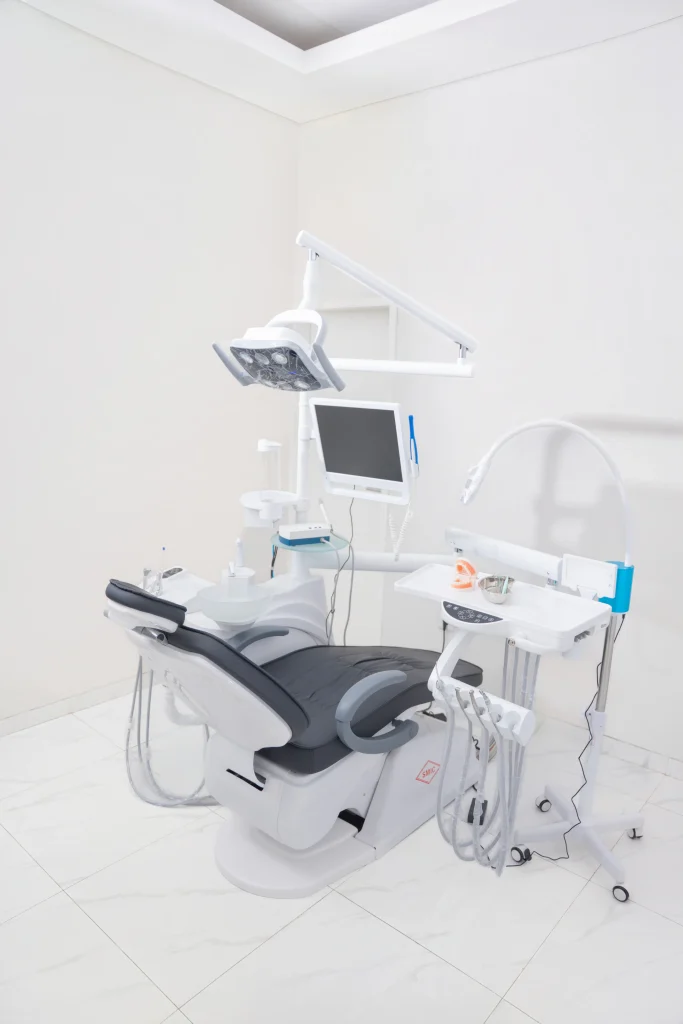
Oral health is a vital window into our overall well-being. Maintaining a bright, functional smile not only improves how we chew and speak but also significantly boosts our self-esteem. In modern dentistry, patients have access to an array of procedures tailored to prevention, restoration, and aesthetic enhancement.
If you are planning your next visit to the dentist, here is a concise guide to 9 of the most popular dental treatments, explaining what they are and how they benefit your teeth.
- Dental Scaling
Dental scaling is a foundational, non-surgical procedure used to eliminate accumulated plaque and hardened tartar (calculus) from the teeth. Because tartar cannot be removed by regular brushing alone, it remains the leading cause of gum disease (gingivitis). Dentists use specialized ultrasonic scalers to safely chip away plaque from the surface and beneath the gumline.
| Key Benefit: Prevents bleeding gums, eliminates bad breath (halitosis), and protects the underlying bone structures supporting your teeth. |
- Teeth Whitening
Teeth whitening is a popular cosmetic treatment designed to brighten teeth stained or discolored by coffee, tea, smoking, red wine, or aging. This professional procedure involves applying a high-concentration peroxide gel to the teeth, which is then activated using a specialized laser or LED light in the dental chair.
| Key Benefit: Provides instant, noticeable results in 45-60 minutes, shifting teeth several shades whiter and restoring a youthful radiance. |
- Tooth Filling
When bacteria erode the tooth enamel and form a cavity, a tooth filling is required to restore it. The dentist removes the decayed portion of the tooth, cleans the affected area, and seals it. Today, natural-looking composite resins are the standard choice because they match the exact color of your teeth flawlessly.
| Key Benefit: Halts the progression of tooth decay, restores the physical structure of the tooth, and eliminates sensitivity to hot or cold food. |
- Tooth Extraction
While preserving your natural teeth is always a dentist’s primary goal, a tooth extraction (removal) sometimes becomes inevitable. This treatment is reserved for severely decayed teeth that cannot be restored, deep structural fractures, severe root infections, or crowded conditions such as impacted wisdom teeth.
| Key Benefit: Eliminates chronic sources of infection, relieves intense dental pain, and prevents damage to surrounding healthy teeth. |
- Dental Bridge
A dental bridge is a reliable prosthetic option used to replace one or more missing teeth in a row. The procedure literally bridges the gap by placing a custom-made artificial tooth (pontic) in the space, anchored securely to the healthy natural teeth on either side (abutment teeth) which are capped with crowns.
| Key Benefit: Restores normal chewing and speaking capacities, maintains proper facial structure, and prevents neighboring teeth from shifting out of place. |
- Root Canal Treatment
When a cavity is left untreated for too long, bacteria breach the deepest chamber of the tooth—the pulp—causing painful inflammation of the nerves and blood vessels. A root canal treatment involves opening the tooth, removing the infected pulp, disinfecting the internal canals, and sealing the space permanently to prevent re-infection.
| Key Benefit: Saves the natural tooth structure from needing extraction, effectively alleviating severe throbbing pain while preserving the tooth’s function. |
- Indirect Porcelain Veneer
Indirect porcelain veneers are a premium cosmetic enhancement where ultra-thin shells of dental porcelain are custom-fabricated in a laboratory and bonded to the front surfaces of your teeth. Unlike direct composite veneers, indirect veneers require minimal enamel preparation and offer a highly translucent, lifelike texture that mimics natural enamel.
| Key Benefit: Successfully corrects teeth gaps, chips, mild misalignment, and severe discoloration with a highly durable, stain-resistant finish. |
- Orthodontic Brackets (Braces)
This classic orthodontic treatment utilizes brackets bonded to individual teeth, connected by an archwire that exerts light, steady pressure over time. This continuous force gradually shifts teeth into their ideal positions. The treatment duration ranges from several months to years, depending on the severity of the alignment issues.
| Key Benefit: Corrects bite misalignments (malocclusions), fixes crowded or crooked teeth, and significantly improves overall facial aesthetics. |
- Dental Crown
A dental crown is a custom-made ‘cap’ placed over a tooth that has been severely weakened, cracked, heavily filled, or treated with a root canal. The crown encases the entire visible portion of the tooth above the gumline, fully restoring its original shape, size, and strength. Materials usually range from full porcelain to porcelain-fused-to-metal (PFM).
| Key Benefit: Re-fortifies structurally compromised teeth to prevent fractures and completely restores the seamless, natural look of the smile. |
Conclusion
Every type of dental treatment has its own precise indications and clinical goals. The best approach to deciding which treatment is right for your unique oral health needs is to schedule routine check-ups and professional consultations with your dentist at least once every six months.