
Teeth Whitening in Bali: Brighten Your Smile, Boost Your Confidence
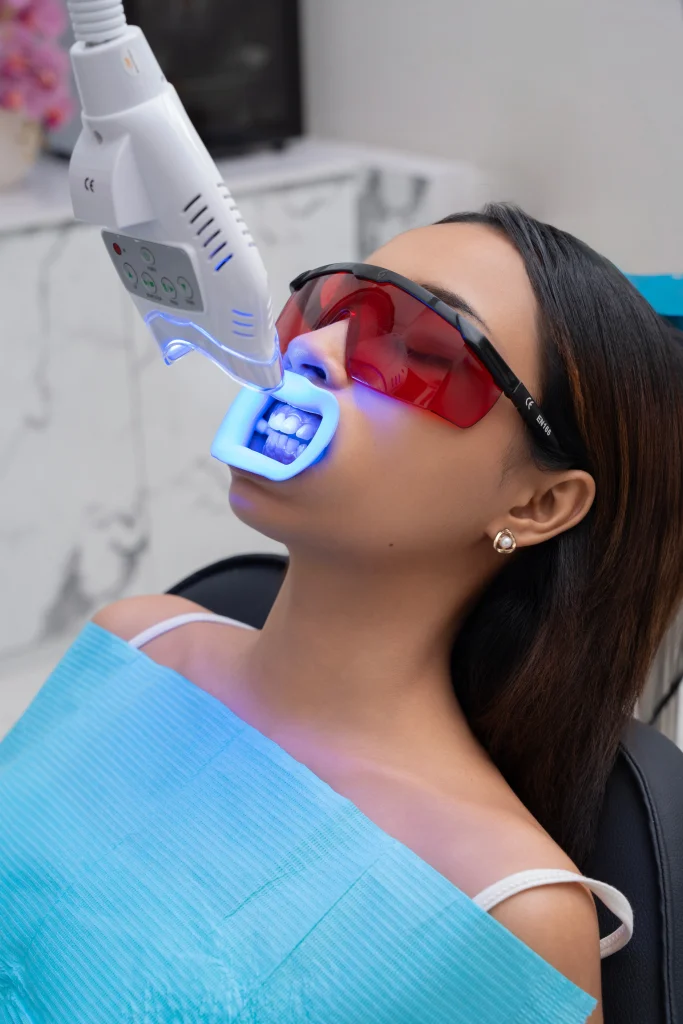
A bright, even smile is one of the simplest things that can change how confident you feel — whether you’re heading into a meeting, a wedding, or just scrolling through your own camera roll and wishing your smile looked a little brighter in photos. That’s exactly why teeth whitening has become one of the most requested treatments at our clinic. But before you book a session, it’s worth understanding how professional whitening actually works, who it’s suitable for, and what makes it different from the whitening strips or toothpaste you can buy at the pharmacy. Why Teeth Naturally Lose Their Brightness Teeth don’t just yellow overnight. It’s usually a combination of everyday habits building up over time: Coffee, tea, and red wine — common culprits, especially with daily consumption Smoking — causes surface staining that’s harder to remove with regular brushing Aging — enamel naturally thins over the years, letting the yellower dentin underneath show through Certain medications — some antibiotics can cause internal discoloration that surface whitening can’t fully address Understanding why your teeth have discolored actually matters, because it affects which whitening approach will give you the best result — which is exactly what a proper consultation is for. Professional Whitening vs. Over-the-Counter Products It’s tempting to grab a whitening kit from the drugstore, but there’s a real difference in both safety and results: Over-the-counter products typically use a much lower concentration of whitening agent, which means slower, less dramatic results — and they’re applied without any assessment of your gum health or existing dental work (fillings and crowns don’t whiten the same way natural enamel does, which can lead to uneven results). Professional whitening uses a higher, clinically controlled concentration of whitening gel, applied under supervision. This means faster results, more even whitening, and — importantly — a dentist checking for sensitivity issues or untreated cavities beforehand, so you’re not masking a problem that needs attention first. What to Expect at Your Appointment A typical professional whitening visit follows a few key steps: Consultation & shade assessment — your dentist checks your current tooth shade and discusses your goals Cleaning first, if needed — plaque and surface buildup are removed via scaling so the whitening gel can work directly on the enamel, not through a layer of buildup Gum protection — a protective barrier is applied to shield your gums from the whitening agent Application & activation — the whitening gel is applied and, depending on the method used, activated for optimal results Aftercare guidance — you’ll get advice on what to avoid in the first 24–48 hours (dark-colored foods and drinks especially) to help the results last Is Teeth Whitening Right for You? Whitening works best for surface and age-related discoloration on healthy, natural teeth. It’s generally not recommended if you have: Untreated cavities or gum disease (these need to be addressed first) Significant sensitivity that hasn’t been evaluated Existing veneers, crowns, or fillings on front teeth that you expect to match the new shade (these materials don’t whiten, so a mismatch is possible — this is worth discussing with your dentist, and for a more complete smile transformation involving those areas, treatments like porcelain veneers may be a better fit) This is exactly why a quick consultation before booking matters — it saves you from spending on a treatment that isn’t the right match for your specific case. How Long Do Results Last? With proper aftercare, professional whitening results typically last several months to a couple of years, depending on your habits (coffee and smoking will naturally shorten this). Many patients choose a touch-up session every 6–12 months to keep their smile at its brightest. Ready to Brighten Your Smile? If you’re in Bali and considering teeth whitening, the best first step is a consultation — not a guess. Our team will assess your teeth, talk through realistic expectations for your specific case, and recommend the approach that actually fits your dental health, not just a one-size-fits-all treatment. You can check our full dental pricelist for an overview of treatment costs, or reach out directly to book your consultation. Ready for a brighter, healthier smile? Contact Nerisa Dental Clinic today to schedule your teeth whitening consultation. Nerisa Aesthetic — Best Aesthetic and Dental Care Clinic in Bali
Dentist in Bali: The Practical Guide to Dental Care for Expats and Travelers (2026)
You planned the villa, the surf lessons and the sunset dinners. You did not plan for a cracked filling on day three. It happens more often than you’d think. And if you live here, the question isn’t if you’ll need a dentist in Bali but when, and how to pick one you trust in a place where you can’t easily ask your neighbor back home for a referral. This guide covers what you actually need to know: how to choose a dental clinic in Bali, which treatments fit a short stay, what to do if something goes wrong on holiday, and how to plan treatment so it doesn’t eat into your trip. Why People Get Dental Work Done in Bali Three reasons come up again and again. Cost. Treatments like cleaning, whitening and veneers often cost noticeably less than in Australia, Europe or the US. For long-staying expats, it also means regular care stays affordable instead of something you postpone until your next flight home. Time. Many clinics here see patients within days, sometimes the same day. No six-week waitlist. Combining care with a trip. A cleaning and whitening session takes an afternoon. Some visitors plan bigger treatments, like veneers, around a two-week holiday. That said, cheaper is only worth it if the work is done well. A low price followed by a redo at home costs more than doing it right the first time. So how do you tell the difference? How to Choose a Dental Clinic in Bali: A 7-Point Checklist Use this before you book anywhere, including with us. A licensed dentist does the treatment. In Indonesia, dentists carry the title “drg.” and need a valid practice license (SIP). It’s fair to ask. Clear sterilization standards. Instruments should come out of sealed sterilization pouches in front of you. If you don’t see that, ask. An examination before a quote. A clinic that quotes veneers over WhatsApp without seeing your teeth is guessing. Transparent pricing. Look for a published price list and a written estimate before treatment starts. You can see ours on the Dental Pricelist page. Communication you understand. You should leave knowing what was done, why, and what comes next. An aftercare plan that works after you fly. Ask what happens if something feels off once you’re back home. Good clinics give you records and X-rays to take with you. Real reviews. Check Google reviews for comments from international patients, not just star ratings. Dental Treatments in Bali and How Long They Take Not every treatment suits a short visit. Here’s a realistic view. Your dentist will confirm the exact plan after an exam. Treatment Typical visits Good for a short trip? Scaling (cleaning) 1 Yes Teeth whitening 1 Yes Tooth filling 1 Yes Tooth extraction 1 + healing time Yes, early in your stay Root canal treatment Often 2–3 Possible with planning Dental bridge 2 or more (lab work) Possible with planning Porcelain veneers 2 or more (lab work) Possible with planning Braces Months of follow-ups Best for residents Dental Scaling: The Best Place to Start Sun, coffee, and the occasional Bintang all leave their mark. Dental scaling removes the plaque and tartar that brushing can’t reach, which helps prevent gum problems and bad breath. It’s quick, it’s the foundation for any cosmetic work, and most dentists will recommend it before whitening anyway. If you’re nervous about it, our earlier post answers a common question: Is dental scaling safe? Teeth Whitening: Visible Results in One Visit Professional teeth whitening in Bali is one of the most popular holiday treatments for a simple reason: you walk out with a brighter smile in time for the photos. One practical tip: for the first 24 to 48 hours after whitening, go easy on coffee, red wine, and deeply colored foods. That includes Balinese dishes rich in turmeric. Book your whitening for the end of the day and plan a lighter dinner. Tooth Filling: Fix It Before It Becomes a Bigger Problem A small cavity left untreated has a way of turning into a root canal. A tooth filling is usually done in a single appointment with a tooth-colored material that blends with your natural teeth. Tooth Extraction: Plan It Early in Your Stay Sometimes a tooth can’t be saved. If you need a tooth extraction, schedule it early in your trip so you have time to heal before you fly, and so your dentist can check the site if needed. Ask your dentist how long to wait before swimming, diving or snorkeling. For a full walkthrough, read our guide to tooth extraction in Bali: procedure, reasons, and pain management. Root Canal Treatment: Save the Tooth A root canal treatment removes infection from inside the tooth so you can keep it. It often takes more than one visit, so tell your dentist your departure date at the first appointment. Dental Bridge: Replace a Missing Tooth A missing tooth isn’t only a cosmetic issue. Neighboring teeth can shift into the gap over time. A dental bridge fills that space with a fixed restoration. Learn more in our article on dental bridges in Jimbaran, Bali. Porcelain Veneers: A Smile Makeover, Done Carefully Porcelain veneers are thin custom shells bonded to the front of your teeth to correct discoloration, gaps or uneven shapes. Our veneers are made with the indirect technique, which means each one is crafted in a dental lab for a precise fit and natural look. Because lab work takes time, veneers need at least two visits. If you’re visiting Bali for veneers, send your dentist photos in advance and plan a stay of one to two weeks, at minimum. A word of caution: be wary of any clinic promising a full set of veneers in a single day without a proper exam. Veneers are permanent. The cheapest option is rarely the best one. Braces: For Expats Who Call Bali Home Orthodontic treatment takes months and needs regular adjustments, so braces in Bali make the most sense if you