
Understanding Teeth Scaling: Benefits, Procedure, and Aftercare
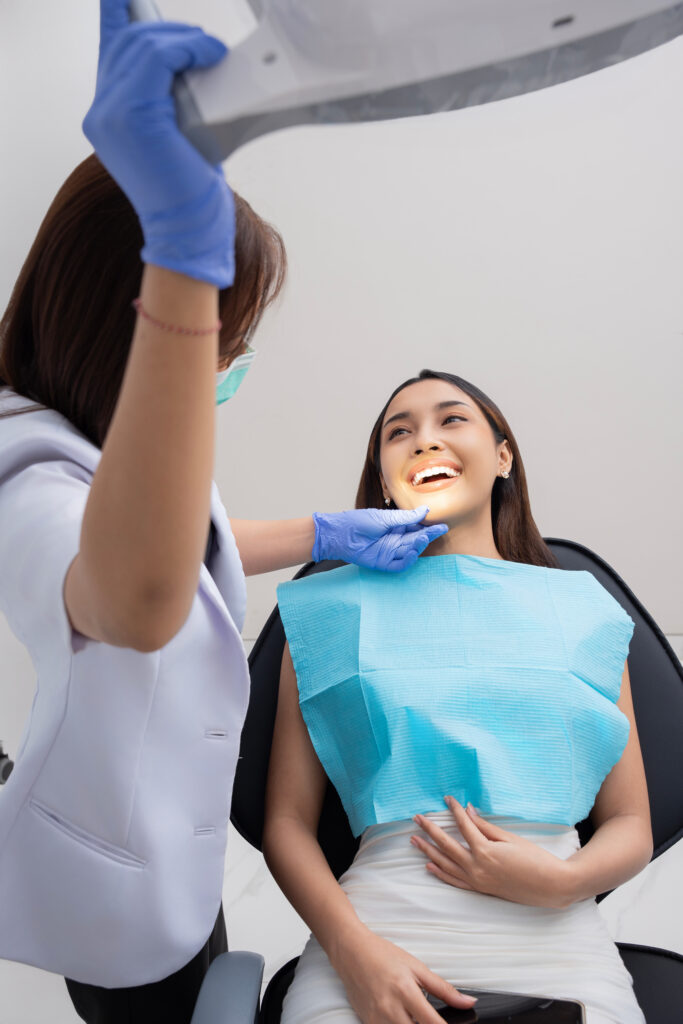
Why Professional Dental Scaling Is Essential for Healthy Gums? A bright smile is one of the first things people notice, but true oral health goes far beyond having white teeth. Healthy gums, clean tooth surfaces, and regular professional care are essential for preventing dental problems that can affect your overall well-being. One of the most important preventive dental treatments is professional teeth scaling. Many people mistakenly believe that brushing and flossing alone are enough to remove all plaque and bacteria. While daily oral hygiene is essential, some deposits become too hard to remove at home. Professional teeth scaling removes hardened tartar, plaque buildup, and bacteria that accumulate around the teeth and below the gum line. This simple procedure helps prevent gum disease, tooth decay, and bad breath while maintaining a healthier smile for years to come. Whether you are planning your first dental visit or wondering if it is time for another dental check-up, this comprehensive guide explains everything you need to know about teeth scaling. What Is Teeth Scaling? Dental scaling is a foundational, non-surgical procedure used to eliminate accumulated plaque and hardened tartar (calculus) from the teeth. Because tartar cannot be removed by regular brushing alone, it remains the leading cause of gum disease (gingivitis). Dentists use specialized ultrasonic scalers to safely chip away plaque from the surface and beneath the gumline. Modern dental clinics typically use two methods: Ultrasonic scaling Manual scaling instruments Many dentists combine both techniques to achieve the best cleaning results. Why Plaque and Tartar Are Harmful Every day, bacteria naturally accumulate inside the mouth. When food particles combine with bacteria, they form a sticky film called plaque. If plaque is not removed regularly, it hardens into tartar. Tartar cannot be removed by: Brushing Mouthwash Dental floss Only professional dental instruments can safely remove it. Over time, tartar buildup may cause: Gum inflammation Bleeding gums Persistent bad breath Tooth sensitivity Gum recession Tooth mobility Periodontal disease Ignoring tartar buildup allows bacteria to multiply below the gum line, increasing the risk of severe gum infections. Signs You Need Teeth Scaling Many patients wait until they experience pain before visiting a dental clinic. Unfortunately, gum disease often develops without noticeable symptoms during its early stages. Common warning signs include: Bleeding Gums If your gums bleed while brushing or flossing, it may indicate gingivitis caused by plaque accumulation. Persistent Bad Breath Chronic bad breath is frequently linked to bacteria hiding beneath tartar deposits. Yellow or Brown Deposits Visible tartar usually appears near the gum line and cannot be removed by brushing. Swollen Gums Healthy gums should appear firm and pink. Red, swollen gums are signs of inflammation. Sensitive Teeth Plaque and gum recession may expose sensitive tooth roots. Benefits of Professional Teeth Scaling Professional scaling offers much more than cosmetic improvements. Removes Harmful Bacteria Scaling significantly reduces bacterial colonies responsible for gum infections. Prevents Gum Disease Removing plaque and tartar prevents gingivitis from progressing into periodontitis. Fresher Breath By eliminating bacteria and food debris, scaling helps improve breath odor. Reduces Tooth Decay Cleaner teeth are less likely to develop cavities. Protects Your Smile Healthy gums provide stronger support for your teeth throughout life. Improves Overall Health Research has linked gum disease with several systemic health conditions, making preventive dental care even more important. Who Should Get Teeth Scaling? Most adults benefit from regular scaling. It is especially recommended for people who: Smoke Drink coffee frequently Wear braces Have diabetes Experience bleeding gums Have excessive tartar buildup Wear crowns or bridges Have previous gum disease Even patients with excellent oral hygiene should schedule routine professional cleaning because some tartar forms in areas impossible to reach with a toothbrush. The Teeth Scaling Procedure Explained Many people feel anxious before their first scaling appointment. Understanding the process can help reduce unnecessary fear. Step 1: Oral Examination Your dentist first examines your teeth and gums. They assess: Gum condition Tartar accumulation Tooth mobility Signs of infection Existing restorations Step 2: Ultrasonic Scaling An ultrasonic scaler uses gentle vibrations to break apart hardened tartar. Water continuously cools the instrument while washing away debris. Step 3: Manual Cleaning The dentist uses specialized hand instruments to remove remaining deposits. Step 4: Polishing After scaling, the teeth are polished to remove minor surface stains and smooth the enamel. Smooth surfaces make it harder for plaque to accumulate. Step 5: Oral Hygiene Advice Before leaving, patients receive personalized instructions on maintaining their oral health at home. Does Teeth Scaling Hurt? This is one of the most common questions patients ask. The answer depends on several factors: Healthy gums generally experience only mild discomfort. Patients with severe tartar buildup or gum inflammation may experience temporary sensitivity. If necessary, local anesthesia can be used to ensure maximum comfort. Modern ultrasonic equipment has made scaling much gentler than older techniques. How Long Does the Procedure Take? Treatment time varies depending on oral health. Typical appointments include: Mild buildup: 20–30 minutes Moderate buildup: 30–45 minutes Heavy tartar: 45–60 minutes Patients with advanced periodontal disease may require multiple appointments. Recovery After Teeth Scaling Recovery is usually quick. Some temporary symptoms include: Mild sensitivity Slight gum tenderness Minor bleeding Cold sensitivity These symptoms generally disappear within a few days. If severe pain persists, patients should contact their dentist immediately. Aftercare Tips Proper aftercare helps maximize the benefits of professional cleaning. Brush Twice Daily Use a soft-bristled toothbrush with fluoride toothpaste. Floss Every Day Floss removes plaque between teeth where brushes cannot reach. Avoid Smoking Smoking delays gum healing and increases plaque buildup. Drink Plenty of Water Water helps rinse away bacteria throughout the day. Limit Sugary Foods Sugar feeds bacteria responsible for plaque formation. Schedule Regular Dental Check-Ups Routine examinations allow dentists to detect problems before they become serious. Common Myths About Teeth Scaling Myth 1: Scaling Damages Teeth False. Scaling removes tartar—not healthy enamel. Myth 2: Teeth Become Loose Teeth may feel different after large tartar deposits are removed, but scaling does not loosen healthy teeth. Myth 3: Healthy Teeth
8 Signature Dental Care Services and All-in-One Dental Solutions for Your Perfect Smile : Available at Nerisa Dental Clinic
Introduction Oral health is an important part of overall health, comfort, nutrition, communication, and quality of life. Dental problems can range from plaque and early gum inflammation to tooth decay, infection, tooth loss, and bite misalignment. Modern dentistry combines prevention, early diagnosis, minimally invasive treatment, and rehabilitation to help people keep their natural teeth whenever possible. This guide reviews eight widely used dental procedures: scaling, teeth whitening, fillings, tooth extraction, dental bridges, root canal treatment, veneers, and braces. It also highlights newer care priorities reflected in current guidance: prevention tailored to each patient’s risk, evidence-informed treatment decisions, careful antibiotic use, and regular follow-up. The best treatment depends on an examination, medical and dental history, and—when indicated—radiographs or other diagnostic tests. 1. Dental Scaling Purpose and indications Dental scaling removes plaque and hardened deposits called calculus (tartar) from tooth surfaces and around the gumline. It may be part of routine preventive care. When periodontitis is present, a dentist may recommend scaling and root planing, a deeper non-surgical treatment that cleans below the gumline and smooths contaminated root surfaces. How it is performed A dental professional assesses the gums and deposits, then uses ultrasonic instruments, hand scalers, or a combination of both. For deeper periodontal treatment, local anaesthesia may be used for comfort. The number of visits and the need for additional periodontal care depend on disease severity and response to treatment. Benefits, limitations, and aftercare Reduces plaque and calculus that contribute to gingivitis and periodontal disease. Can improve gum inflammation and bleeding when combined with effective daily home care. May cause temporary tenderness, bleeding, or sensitivity, particularly after deep cleaning. Brush gently with a soft-bristled toothbrush and clean between teeth daily. Follow the clinician’s specific instructions after deep treatment. The recall interval should be based on individual gum health and risk; a 6–12-month interval is common for many patients, but some people need more frequent periodontal maintenance. Important note: scaling removes deposits but does not replace daily brushing, interdental cleaning, smoking cessation support, or management of conditions that increase periodontal risk. 2. Teeth Whitening Purpose and options Professional whitening lightens the colour of natural teeth by using peroxide-based products, usually hydrogen peroxide or carbamide peroxide. Options may include dentist-supervised treatment in the clinic or custom trays used at home. Whitening is a cosmetic procedure and is not suitable for every type of discolouration. Assessment and procedure Before treatment, the dentist should assess the cause of discolouration, existing restorations, gum health, tooth sensitivity, and the presence of decay or cracks. The gums and soft tissues are protected as appropriate, and the whitening product is used according to its instructions. Results vary with the original tooth colour, stain type, product, and adherence. Benefits, risks, and aftercare Can improve the appearance of natural teeth without removing tooth structure. Temporary tooth sensitivity and gum irritation are possible; excessive or unsupervised use can cause harm. Crowns, veneers, and fillings do not whiten in the same way as natural enamel, so colour differences may become more noticeable. Follow the dentist’s instructions and use desensitising products if recommended. Limiting tobacco and frequent exposure to strongly staining foods and drinks can help maintain the result; a restrictive ‘white diet’ is not universally required. Patients with untreated decay, gum disease, significant sensitivity, or certain types of intrinsic staining should receive a dental assessment before whitening. Avoid unregulated whitening products and products that promise guaranteed dramatic results. 3. Dental Fillings Purpose and materials A filling restores a tooth affected by dental caries (decay), a small fracture, or limited wear. Common materials include tooth-coloured composite resin, glass ionomer materials in selected situations, and other materials chosen according to the tooth, the size and location of the defect, moisture control, bite forces, patient preferences, and local clinical guidance. Typical steps The dentist examines the tooth and may use radiographs when clinically indicated. If a cavity requires restoration, decayed or weakened tissue is removed as conservatively as appropriate, the area is cleaned, and the restorative material is placed and shaped. Composite resin is bonded to the tooth and hardened with a curing light. The bite is checked and adjusted if necessary. Benefits and aftercare Restores tooth shape and chewing function and helps protect the remaining tooth structure. Tooth-coloured materials can provide a natural appearance. Temporary sensitivity may occur. Persistent, worsening, or spontaneous pain should be reviewed by a dentist. Avoid chewing until local anaesthesia has worn off to reduce the risk of biting the cheek, lip, or tongue. The lifespan of a filling varies widely with material, size, location, oral hygiene, and biting habits; no fixed lifespan can be guaranteed. Prevention remains essential after a filling. Fluoride toothpaste, daily interdental cleaning, reduced frequency of free-sugar intake, and risk-based dental reviews help reduce the likelihood of new or recurrent decay. 4. Tooth Extraction When extraction may be needed Extraction is the removal of a tooth when it cannot predictably be restored, when infection or damage cannot be managed by other appropriate treatment, or when removal is indicated for reasons such as selected orthodontic plans or impacted teeth. Whenever feasible, the dentist should discuss reasonable alternatives, expected outcomes, and options for replacing a missing tooth. How it is performed A simple extraction is generally performed under local anaesthesia using instruments to loosen and remove the tooth. A surgical extraction may be needed for an impacted tooth, a tooth broken below the gumline, or a more complex case. The procedure may involve an incision, removal of a small amount of bone, or sectioning the tooth. Recovery and warning signs Bite on gauze as directed to help control bleeding and allow a blood clot to form. For the first day, avoid vigorous rinsing, forceful spitting, smoking, and drinking through a straw; follow the dentist’s instructions about when to resume normal rinsing and activity. Use a cold pack intermittently if advised and take only medicines that are appropriate for you and recommended by a clinician. Choose soft foods initially and keep the area clean without disturbing the socket.
A Teenager’s Guide to Braces: Surviving and Thriving with Orthodontic Care
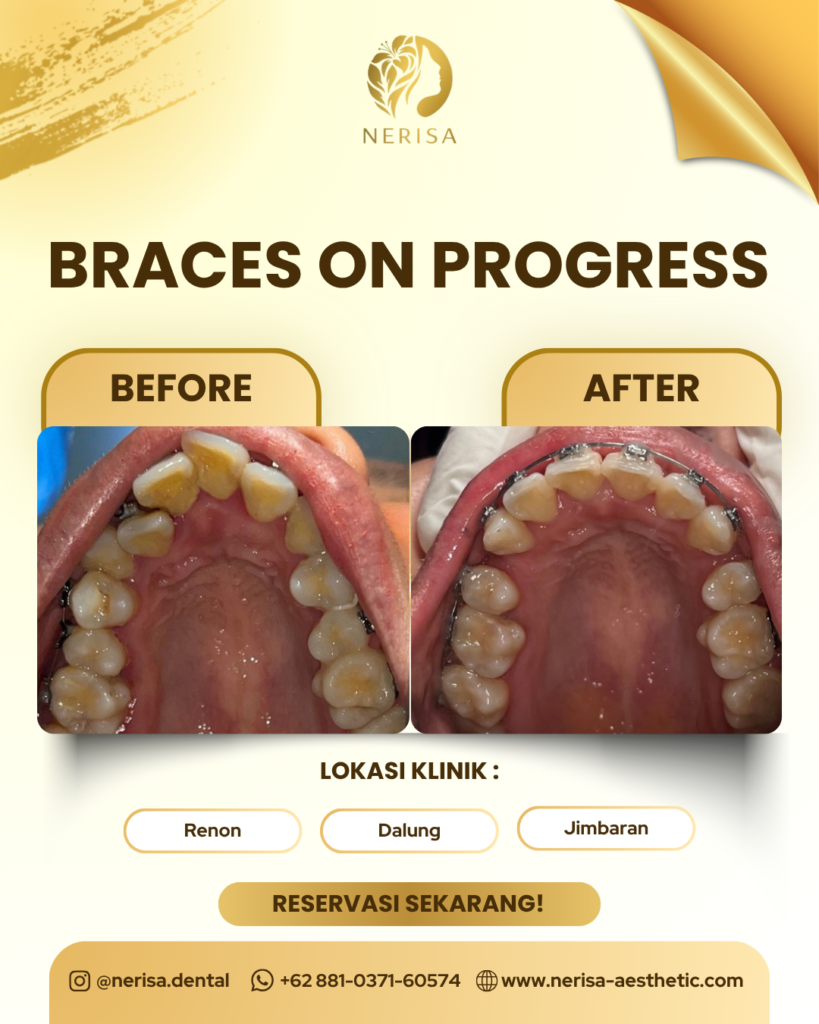
Having a straight, healthy smile is more than just a cosmetic preference; it is a vital part of your overall well-being. If you are looking to correct dental alignment while enjoying the serene atmosphere of the island, getting braces in Jimbaran offers a world-class solution. Orthodontic treatment uses specialized devices to fix misaligned teeth and bite issues by applying continuous, gentle pressure to guide your teeth into their ideal positions. Why Consider Orthodontic Treatment? Modern orthodontics in Bali caters to a variety of dental needs. Braces are highly effective at treating several common issues, including: Crowded teeth: When there is insufficient space in the jaw for teeth to fit naturally. Overbite or underbite: Correcting the overlap between upper and lower teeth. Crossbite: Aligning teeth that do not meet properly when the mouth is closed. Gaps between teeth: Closing unsightly spaces for a more uniform look. Beyond a boost in confidence, these treatments enhance your oral function and contribute to long-term dental health. Benefits to use braces : Improves dental alignment Enhances smile aesthetics Promotes better oral hygiene Orthodontic treatment can be used for both children and adults. The Lasting Benefits of Braces Choosing to start your journey with a dentist in Jimbaran provides both functional and aesthetic rewards: Perfectly Straight Teeth: Achieve the symmetrical smile you have always wanted. Improved Bite Alignment: Ensures your teeth function correctly when chewing and speaking. Easier Oral Hygiene: Straight teeth are much easier to brush and floss effectively. Lower Health Risks: Properly aligned teeth reduce the risk of tooth decay and gum disease. Reduced Physical Strain: Correct alignment minimizes excessive wear on tooth enamel and eases strain on your jaw muscles. Essential Care for Your Braces Maintaining your braces is key to a successful transformation. While exploring the beauty of Bali, keep these care tips in mind: Brush after every meal to keep the brackets and wires clean. Use orthodontic floss or interdental brushes to reach tricky spots. Avoid sticky or hard foods that could damage your appliance. Attend regular adjustment appointments at your Jimbaran clinic to keep your progress on track. Following your orthodontist’s specific instructions is the best way to ensure your treatment is completed successfully and on time.
Do You Need Teeth Scaling? Signs It’s Time for a Professional Cleaning
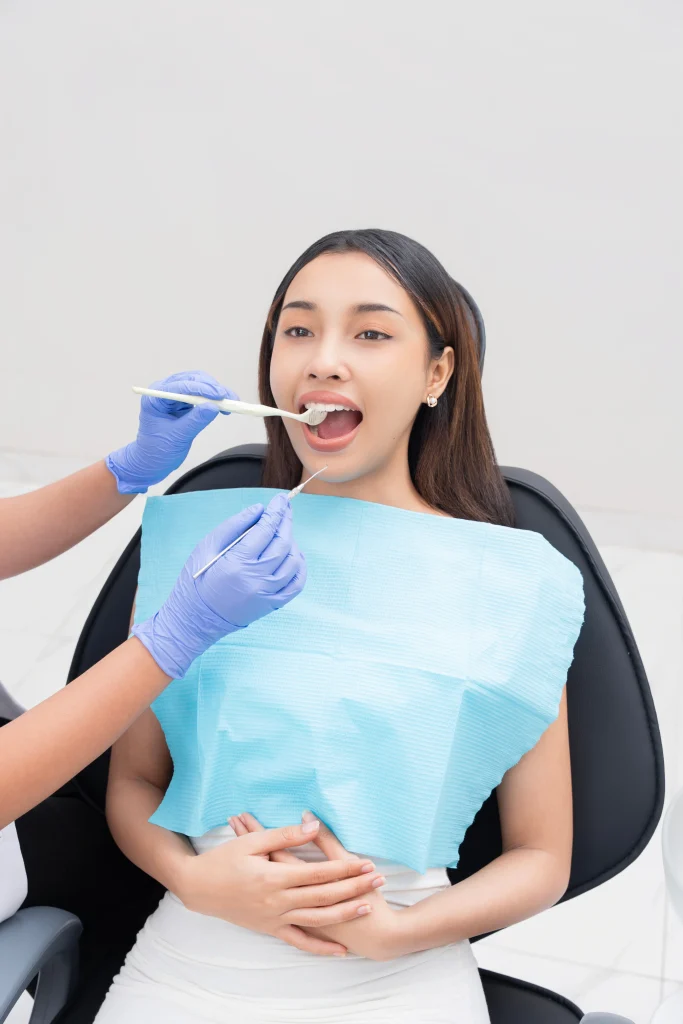
Maintaining optimal oral hygiene is essential, especially while enjoying the vibrant culinary scene in Bali. One of the most critical yet frequently overlooked procedures is Dental Scaling. What Is Dental Scaling? Dental scaling is a professional, non-surgical procedure designed to clean and remove stubborn tartar from all tooth surfaces and beneath the gum line. In modern dental clinics, this method is efficiently performed using either a manual scraper or an advanced ultrasonic scaler for a more comfortable experience. Understanding Tartar (Calculus) Tartar is formed from plaque that hardens due to the continuous accumulation of food debris and bacteria in the mouth. If not cleaned regularly, plaque mineralizes with saliva and transforms into hard tartar. When left untreated, tartar can lead to serious oral health issues, including: Bleeding gums Bad breath (halitosis) Gingivitis (gum inflammation) Periodontal disease Loose teeth Benefits of Regular Dental Scaling Undergoing a professional cleaning at a dental clinic in Bali offers numerous health advantages: Prevents Gum Disease: Removing tartar effectively prevents inflammation and infection of the gum tissue. Eliminates Bad Breath: Scaling targets the bacteria hidden in plaque and tartar, which are the primary causes of persistent bad breath. Maintains Supporting Bone Health: Regular treatment helps prevent long-term damage to the supporting tissues and bone of the teeth. Enhances Smile Aesthetics: After the procedure, your teeth will feel smoother and look noticeably brighter. Pro-Tips for Maintaining Your Scaling Results To keep your smile fresh after your visit to a dentist in Bali, follow these essential aftercare tips: Brush your teeth at least twice a day. Use dental floss daily to reach between teeth. Use an antiseptic mouthwash to reduce bacteria. Avoid excessive consumption of sugary foods and drinks. Schedule regular check-ups with your dentist every six months.
Living with a Dental Bridge: Maintenance Tips and Best Practices
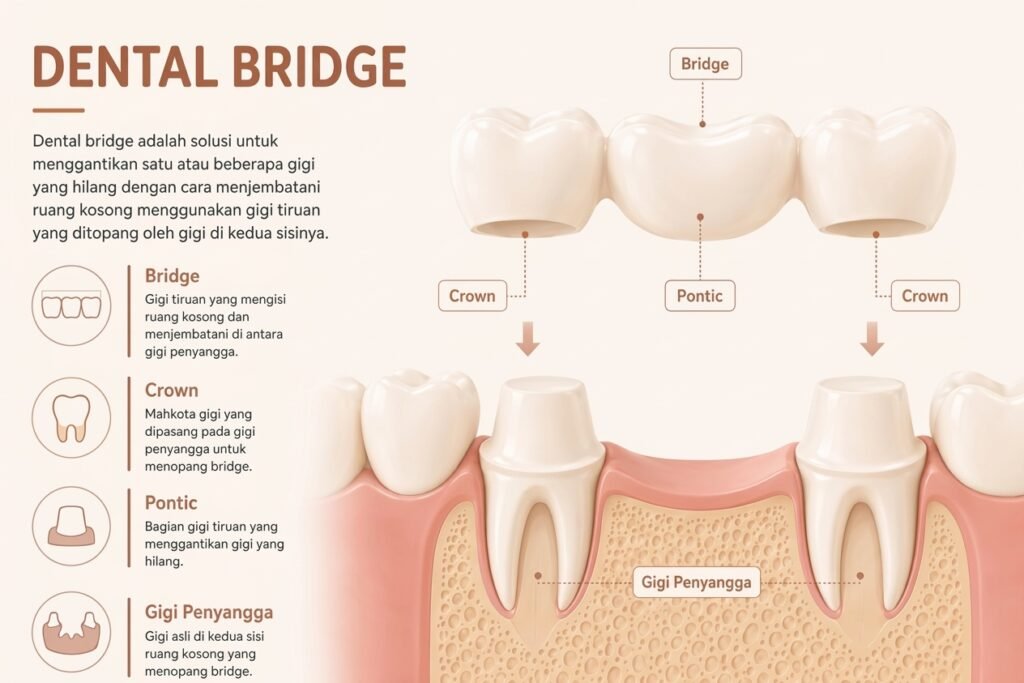
A dental bridge is a fixed dental restoration used to replace one or more missing teeth. It works by anchoring an artificial tooth (or teeth) to the natural teeth or dental implants located on either side of the gap. For patients experiencing tooth loss, a dental bridge in Jimbaran, Bali can restore both function and appearance. The treatment helps patients chew properly, speak clearly, and maintain a natural-looking smile. Many dental clinics in Jimbaran, Bali, Indonesia offer high-quality dental bridge treatments using modern materials that closely resemble natural teeth. What Is a Dental Bridge? A dental bridge is designed to literally “bridge” the gap created by missing teeth. The prosthetic tooth, known as a pontic, is supported by crowns placed on the adjacent teeth or by dental implants. Dentists commonly recommend dental bridges in Bali as a reliable solution when patients are not suitable candidates for dental implants or prefer a more affordable tooth replacement option. With proper care, a dental bridge can last many years while restoring both dental function and aesthetics. Benefits of a Dental Bridge Dental bridges provide several important advantages for patients who have lost one or more teeth. Restore Chewing Ability Missing teeth can make it difficult to chew certain foods properly. A dental bridge restores bite strength and allows patients to eat more comfortably. Improve Appearance Gaps caused by missing teeth can affect a person’s smile and overall facial harmony. A well-designed dental bridge restores the natural appearance of the teeth and improves confidence. Prevent Teeth from Shifting When a tooth is lost, the surrounding teeth may gradually shift toward the empty space. This movement can lead to alignment problems and bite issues. A dental bridge helps keep the teeth in their correct position. Maintain Facial Structure Tooth loss over time can contribute to subtle changes in facial structure. Replacing missing teeth with a dental bridge helps maintain proper support for the lips and cheeks. Because of these benefits, many patients choose dental bridge treatment in Jimbaran, Bali to restore their smile and maintain long-term oral health. Why Is a Dental Bridge Needed? When a tooth is lost due to severe decay, trauma, or extraction, the empty space left behind can create several dental problems if not treated. Without a proper replacement, surrounding teeth may shift into the gap, which can lead to a range of complications, including: Bite problems (malocclusion) Difficulty chewing food properly Speech difficulties Jaw discomfort or pain Gradual changes in facial appearance A dental bridge in Bali helps maintain proper alignment of the teeth and prevents these issues from developing over time. Dentists in Jimbaran dental clinics often recommend dental bridges as part of a comprehensive restorative treatment plan for patients with missing teeth. A dental bridge is used to replace one or more missing teeth by anchoring artificial teeth to adjacent natural teeth. Benefits to use dental bridge: Restores chewing ability Maintains facial structure Prevents teeth shifting How to Care for Your Dental Bridge Proper oral hygiene is essential to keep a dental bridge in good condition and to protect the supporting teeth and gums. Here are several important care tips recommended by dentists: Brush Twice a Day Use fluoride toothpaste and a soft-bristled toothbrush to clean your teeth and bridge at least twice daily. Clean Around the Bridge Food particles can accumulate around the bridge area. Using dental floss or floss threaders helps clean underneath the pontic and along the gum line. Avoid Very Hard Foods Although dental bridges are durable, biting extremely hard foods may damage the restoration or the supporting teeth. Schedule Regular Dental Check-ups Routine visits to a dentist in Jimbaran, Bali help ensure your dental bridge remains in good condition. Your dentist can also check for early signs of gum disease or decay around the supporting teeth. With proper care and regular dental visits, a dental bridge can last for many years while maintaining both comfort and function. Dental Bridge Treatment in Jimbaran, Bali If you are missing one or more teeth, a dental bridge may be an effective solution to restore your smile and oral health. Many modern dental clinics in Jimbaran, Bali provide customized dental bridge treatments using advanced dental technology and high-quality materials. Consulting with an experienced dentist in Jimbaran Bali allows you to explore the most suitable tooth replacement options, whether it is a dental bridge, dental implant, or another restorative treatment. Early treatment helps prevent further dental problems and ensures long-term oral health. Post-Care & Aftercare Specialized hygiene tools, such as bridge threaders or interdental brushes, must be used daily to clean underneath the floating pontic and around abutment crowns to prevent recurrent decay beneath the restorations.
Say Goodbye to Toothache: How a Simple Filling Can Save Your Day
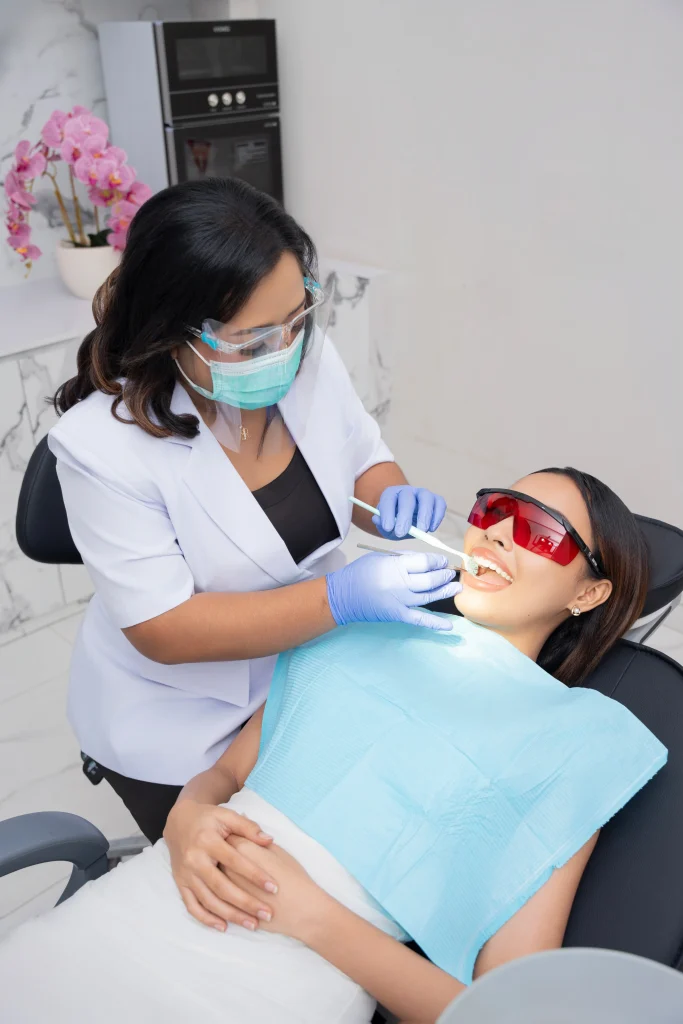
A healthy smile is the foundation of your confidence, but cavities can happen to the best of us. If you are exploring the beautiful landscapes of Bali and notice a twinge of discomfort, a tooth filling is the most effective restorative procedure to repair cavities caused by decay. At our modern clinics in Denpasar and Badung, we prioritize your comfort while restoring your dental health using high-quality materials. What is a Tooth Filling? When bacteria erode the tooth enamel and form a cavity, a tooth filling is required to restore it. The dentist removes the decayed portion of the tooth, cleans the affected area, and seals it. Today, natural-looking composite resins are the standard choice because they match the exact color of your teeth flawlessly. Key Benefits of Getting a Filling Choosing to treat a cavity early at a trusted Bali dental clinic offers several advantages: Restores Tooth Function: Regain the ability to chew and speak without discomfort. Prevents Further Decay: Sealing the cavity stops bacteria from digging deeper into the tooth. Protects Tooth Structure: Fillings provide the necessary support to keep the remaining tooth strong. Relieves Sensitivity and Pain: Say goodbye to that sharp ache when eating or drinking. By opting for early treatment, you prevent more serious—and expensive—dental issues like root canals or extractions down the road. When Should You See a Dentist in Bali? Cavities aren’t always visible to the naked eye, but your body often sends warning signs. You may need a tooth filling if you notice: Persistent toothache or sharp pain. Increased sensitivity to hot, cold, or sugary treats. Visible dark spots or holes on the surface of your teeth. Chipped or broken teeth that feel rough to the tongue. Food frequently getting stuck in a specific area after meals.
Beyond Aesthetics: Why Dental Bridges are Essential for Oral Health
A dental bridge is a fixed dental restoration used to replace one or more missing teeth. It works by anchoring an artificial tooth (or teeth) to the natural teeth or dental implants located on either side of the gap. For patients experiencing tooth loss, a dental bridge in Jimbaran, Bali can restore both function and appearance. The treatment helps patients chew properly, speak clearly, and maintain a natural-looking smile. Many dental clinics in Jimbaran, Bali, Indonesia offer high-quality dental bridge treatments using modern materials that closely resemble natural teeth. What Is a Dental Bridge? A dental bridge is a reliable prosthetic option used to replace one or more missing teeth in a row. The procedure literally bridges the gap by placing a custom-made artificial tooth (pontic) in the space, anchored securely to the healthy natural teeth on either side (abutment teeth) which are capped with crowns. Dentists commonly recommend dental bridges in Bali as a reliable solution when patients are not suitable candidates for dental implants or prefer a more affordable tooth replacement option. With proper care, a dental bridge can last many years while restoring both dental function and aesthetics. Benefits of a Dental Bridge Dental bridges provide several important advantages for patients who have lost one or more teeth. Restore Chewing Ability Missing teeth can make it difficult to chew certain foods properly. A dental bridge restores bite strength and allows patients to eat more comfortably. Improve Appearance Gaps caused by missing teeth can affect a person’s smile and overall facial harmony. A well-designed dental bridge restores the natural appearance of the teeth and improves confidence. Prevent Teeth from Shifting When a tooth is lost, the surrounding teeth may gradually shift toward the empty space. This movement can lead to alignment problems and bite issues. A dental bridge helps keep the teeth in their correct position. Maintain Facial Structure Tooth loss over time can contribute to subtle changes in facial structure. Replacing missing teeth with a dental bridge helps maintain proper support for the lips and cheeks. Because of these benefits, many patients choose dental bridge treatment in Jimbaran, Bali to restore their smile and maintain long-term oral health. Why Is a Dental Bridge Needed? When a tooth is lost due to severe decay, trauma, or extraction, the empty space left behind can create several dental problems if not treated. Without a proper replacement, surrounding teeth may shift into the gap, which can lead to a range of complications, including: Bite problems (malocclusion) Difficulty chewing food properly Speech difficulties Jaw discomfort or pain Gradual changes in facial appearance A dental bridge in Bali helps maintain proper alignment of the teeth and prevents these issues from developing over time. Dentists in Jimbaran dental clinics often recommend dental bridges as part of a comprehensive restorative treatment plan for patients with missing teeth. How to Care for Your Dental Bridge Proper oral hygiene is essential to keep a dental bridge in good condition and to protect the supporting teeth and gums. Here are several important care tips recommended by dentists: Brush Twice a Day Use fluoride toothpaste and a soft-bristled toothbrush to clean your teeth and bridge at least twice daily. Clean Around the Bridge Food particles can accumulate around the bridge area. Using dental floss or floss threaders helps clean underneath the pontic and along the gum line. Avoid Very Hard Foods Although dental bridges are durable, biting extremely hard foods may damage the restoration or the supporting teeth. Schedule Regular Dental Check-ups Routine visits to a dentist in Jimbaran, Bali help ensure your dental bridge remains in good condition. Your dentist can also check for early signs of gum disease or decay around the supporting teeth. With proper care and regular dental visits, a dental bridge can last for many years while maintaining both comfort and function. Dental Bridge Treatment in Jimbaran, Bali If you are missing one or more teeth, a dental bridge may be an effective solution to restore your smile and oral health. Many modern dental clinics in Jimbaran, Bali provide customized dental bridge treatments using advanced dental technology and high-quality materials. Consulting with an experienced dentist in Jimbaran Bali allows you to explore the most suitable tooth replacement options, whether it is a dental bridge, dental implant, or another restorative treatment. Early treatment helps prevent further dental problems and ensures long-term oral health.
Crafting Beautiful, Long-Lasting Smiles with Veneers in Nerisa Dental
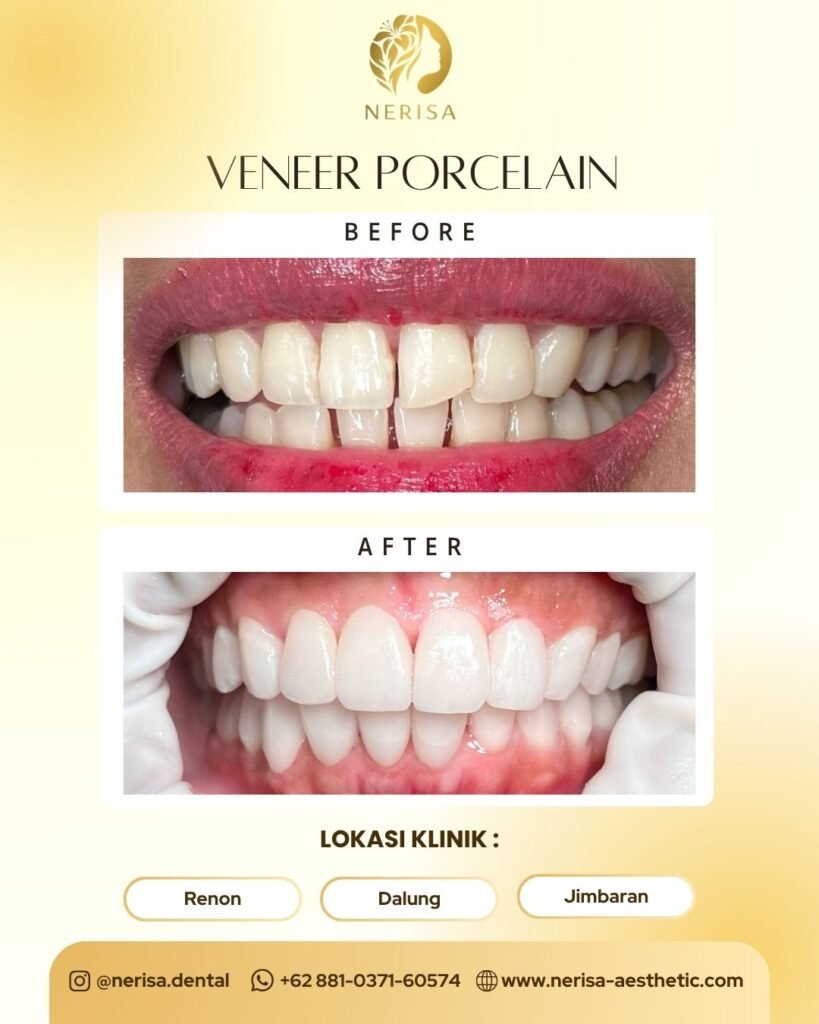
Porcelain veneers are thin, custom-made shells designed to cover the front surface of teeth in order to enhance their appearance. These restorations are commonly used in cosmetic dentistry to improve the shape, color, and alignment of teeth while maintaining a natural look. Patients looking for porcelain veneers in Jimbaran, Bali often choose this treatment to achieve a brighter and more symmetrical smile. Because porcelain veneers are fabricated in a dental laboratory, they are sometimes referred to as indirect veneers. Unlike direct composite veneers, porcelain veneers typically require at least two dental visits. During the first visit, the dentist prepares the teeth and takes impressions. The custom veneers are then crafted in a laboratory and permanently bonded during the second appointment. Many modern dental clinics in Jimbaran, Bali offer porcelain veneer treatments designed to deliver long-lasting cosmetic results with natural aesthetics. What Are Porcelain Veneers? Porcelain veneers are ultra-thin layers of ceramic material that are carefully bonded to the front surface of the teeth. They are designed to mimic the translucency and light reflection of natural tooth enamel, making them one of the most popular options in cosmetic dentistry. Dentists often recommend porcelain veneers in Bali for patients who want to correct visible imperfections while preserving most of the natural tooth structure. Porcelain veneers are commonly used to treat several aesthetic concerns, including: Discolored teeth that do not respond well to whitening treatments Chipped or cracked teeth Small gaps between teeth Uneven or slightly misaligned teeth Worn-down enamel Because of their natural appearance and durability, porcelain veneers are widely chosen by patients seeking smile makeover treatments in Jimbaran, Bali. Why Choose Indirect (Porcelain) Veneers? Indirect veneers made from porcelain are known for their superior aesthetic and functional benefits compared to other cosmetic dental solutions. One of the main advantages is their ability to closely replicate the appearance of natural teeth. Porcelain has a translucent quality that reflects light in a similar way to natural enamel, creating a more realistic smile. Patients choosing porcelain veneers in Jimbaran Bali often appreciate several key benefits: Highly durable and long-lasting Resistant to stains from coffee, tea, and smoking Natural-looking with realistic translucency Custom-designed to fit each patient’s smile Stronger and more stable than composite veneers With proper oral care and regular dental check-ups, porcelain veneers can last 10 to 15 years or even longer, making them a reliable long-term cosmetic investment. Benefits of Porcelain Veneers Porcelain veneers offer a number of advantages for patients seeking cosmetic dental improvements. Because the treatment focuses on the visible surface of the teeth, results are often noticeable immediately after placement. Some of the most common benefits include: Instant Smile Transformation Porcelain veneers can dramatically improve the appearance of teeth in a relatively short period of time. Many patients achieve a complete smile makeover within just a few dental visits. Improved Confidence A brighter and more balanced smile can significantly boost self-confidence in both personal and professional settings. Long-Lasting Cosmetic Results Compared to other cosmetic treatments, porcelain veneers are highly durable and resistant to discoloration. This makes them an excellent choice for long-term smile enhancement. Minimal Maintenance Maintaining porcelain veneers is similar to caring for natural teeth. Regular brushing, flossing, and dental check-ups help keep veneers in excellent condition. Natural Tooth Appearance Because porcelain closely mimics natural enamel, veneers blend seamlessly with surrounding teeth, creating a balanced and natural-looking smile. For these reasons, many patients choose porcelain veneer treatment in Jimbaran, Bali when looking for reliable and aesthetically pleasing cosmetic dental solutions. Porcelain Veneers Treatment in Jimbaran, Bali If you are looking to improve the appearance of your smile, porcelain veneers may be the ideal solution. Experienced dentists in Jimbaran, Bali provide personalized veneer treatments tailored to each patient’s dental structure and aesthetic goals. Consulting with a qualified dentist in Jimbaran Bali allows you to explore whether porcelain veneers, composite veneers, or other cosmetic dentistry procedures are the most suitable option for your smile. With modern dental technology and professional care, porcelain veneers can help restore confidence and create a natural, attractive smile that lasts for many years.
Dental Check-Up in Jimbaran: What Happens and How Often You Need One
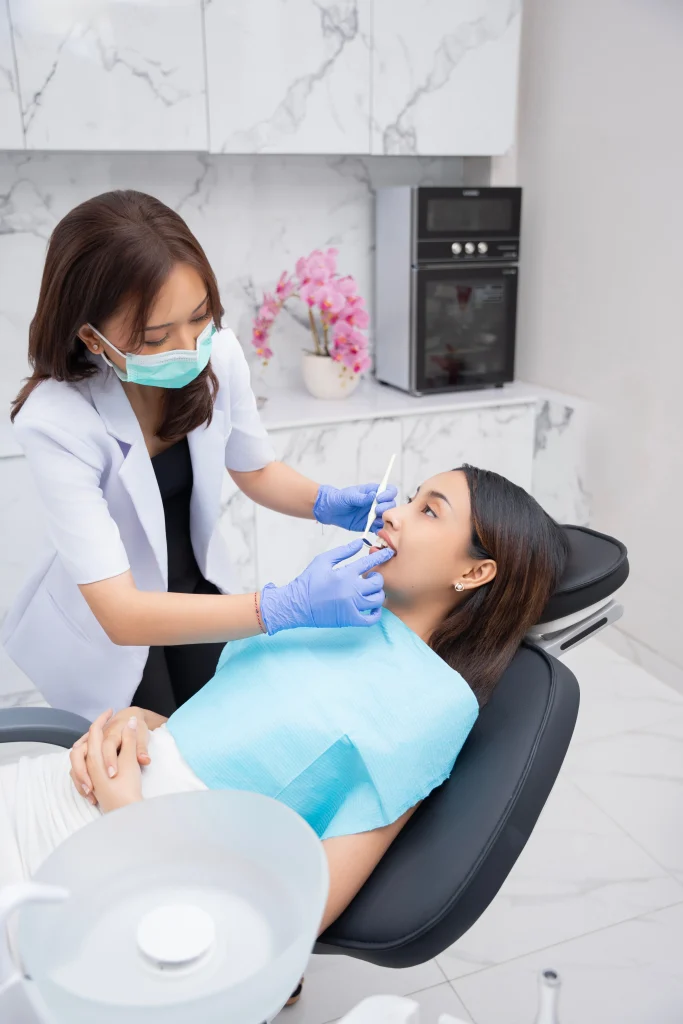
When was the last time you saw a dentist? If the honest answer is “when something hurt,” you are in good company. Indonesia’s 2023 national health survey (SKI) found that 56.9% of people aged 3 and older had a dental or oral health problem in the past year. Only 11.2% of them went to a dental professional for it. The rest waited, took painkillers, or ignored it. The catch is that early tooth decay rarely hurts. Tartar doesn’t hurt either. By the time pain shows up, the damage usually runs deeper, the treatment takes longer, and the bill is bigger. A regular dental check-up is how you break that cycle. What Is a Dental Check-Up? A dental check-up is a full examination of your teeth, gums, and mouth by a dentist, done to catch problems before they cause symptoms. For adults with healthy teeth and gums, the usual recommendation is once every 6 months. It’s quick, it doesn’t hurt, and you don’t need to prepare anything special. The difference from an emergency visit is simple. At a check-up, the dentist looks for problems you can’t feel yet. When you come in with pain, the dentist can only fix what has already gone wrong. What Happens During a Dental Check-Up? Every clinic has its own routine, but a standard check-up usually covers these six steps. 1. A short conversation with your dentist Your dentist will ask about any complaints, past dental work, medications you take, and habits like smoking or drinking coffee. This isn’t small talk. Some medications and health conditions affect your gums and change which treatments are safe for you. 2. A tooth-by-tooth exam Using a small mirror and probe, the dentist checks every surface of every tooth. They’re looking for small cavities, dark spots in the grooves, cracks, and old fillings that have started to leak or come loose. 3. Gums and tartar Healthy gums are pink and don’t bleed when touched. Your dentist checks whether your gums are swollen, bleed easily, or have started to recede. This is also when they see how much tartar has built up, usually behind the lower front teeth and between the back molars. 4. Bite and alignment Crowded or tilted teeth and an uneven bite make cleaning harder. Over time, they can also put extra strain on your jaw joint. 5. Soft tissue in the mouth Your tongue, inner cheeks, palate, and the floor of your mouth are checked too. A mouth ulcer that hasn’t healed after two weeks, or a white patch that won’t go away, needs a closer look. 6. X-rays when needed Some problems can’t be seen with the eye: cavities between teeth, infections at the root, or a wisdom tooth growing at an angle. If needed, your dentist will recommend a dental X-ray. At the end, your dentist explains what they found and puts together a treatment plan. Ask anything you want, including the cost, and decide together what to do first. How Often Should You Get a Dental Check-Up? The general rule for adults with healthy teeth and gums is every 6 months. Your dentist will set the right interval for you after seeing your mouth. Your situation Typical check-up schedule Adult, healthy teeth and gums Every 6 months Gums that bleed often, fast tartar buildup, or a smoker More often, as your dentist advises Wearing braces Follow your braces control schedule Children From the first tooth, no later than age 1, then regularly Pregnant A check-up during pregnancy is recommended; tell your dentist how far along you are Signs You Shouldn’t Wait for Your Next Check-Up Book an appointment soon if you notice any of these: Teeth that feel sensitive to cold, hot, or sweet food and drinks Gums that bleed when you brush, again and again Bad breath that stays even after brushing A visible hole or dark spot on a tooth A loose tooth (in adults) A mouth ulcer that hasn’t healed in two weeks Jaw pain when chewing or opening your mouth Swollen gums, especially with a pus-filled bump That last one needs attention quickly, because it can be a sign of infection. From Check-Up to Treatment: What Your Dentist Might Recommend Not every check-up ends with a procedure. If your teeth are healthy, you’ll get home-care advice and a date for your next visit. If something comes up, these are the most common next steps. What the dentist finds Treatment usually recommended Tartar buildup, gums that bleed easily Dental scaling A small to medium cavity Tooth filling A deep cavity that has reached the nerve Root canal treatment A badly damaged tooth or problem wisdom tooth Tooth extraction A missing tooth Dental bridge Yellow or dull teeth Teeth whitening Crowded teeth or an uneven bite Braces Uneven shape, size, or color of the front teeth Porcelain veneers Why scaling often comes first Tartar is plaque that has hardened. Brushing removes plaque, but it can’t remove tartar. Left alone, tartar irritates the gums and gives bacteria a place to grow. That’s why scaling is often done during the same visit as the check-up. Whitening vs. bleaching: is there a difference? People often use the two words for the same thing: lightening tooth color with a whitening agent under a dentist’s supervision. What matters more than the name is the order. Teeth should be cleaned and any cavities filled before whitening, which is why a check-up comes first. Braces or veneers for a straighter smile? Braces move teeth into a new position over time, so they suit crowded teeth or bite problems. Veneers are thin shells bonded to the front of the teeth to change their shape and color. Which one fits you depends on your teeth, and only an exam and a consultation can tell. Dental Check-Ups for Children: When Should They Start? Earlier than most parents think. The same 2023 survey found tooth decay in 84.8% of Indonesian children aged 5 to 9. Baby teeth will fall out eventually, but
Teeth Whitening in Bali: Brighten Your Smile, Boost Your Confidence in Nerisa Clinic
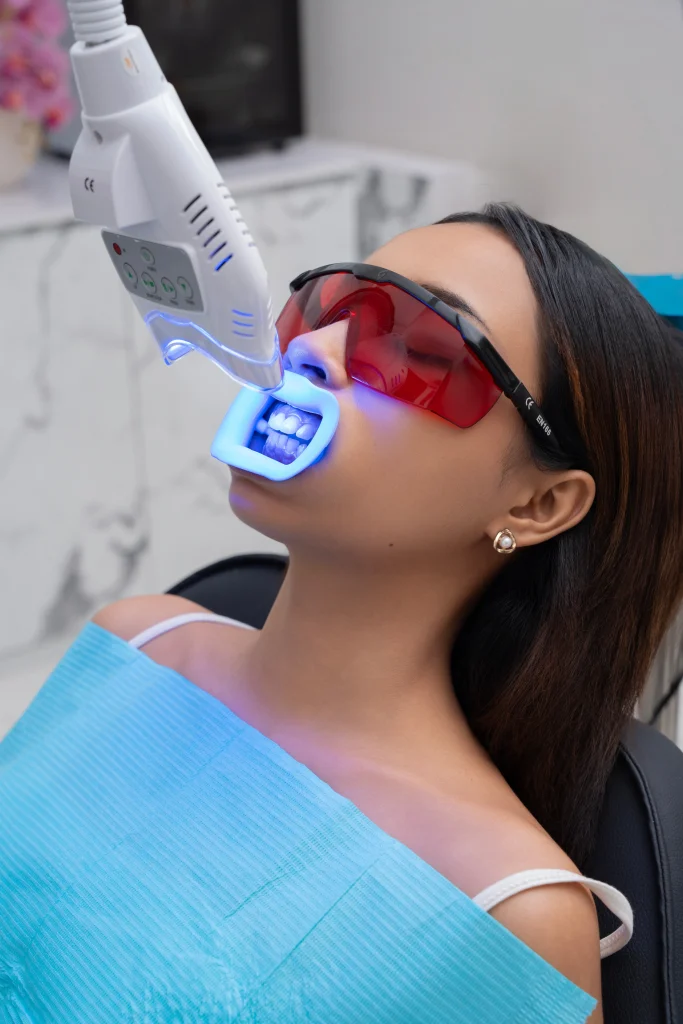
A bright, even smile is one of the simplest things that can change how confident you feel — whether you’re heading into a meeting, a wedding, or just scrolling through your own camera roll and wishing your smile looked a little brighter in photos. That’s exactly why teeth whitening has become one of the most requested treatments at our clinic. But before you book a session, it’s worth understanding how professional whitening actually works, who it’s suitable for, and what makes it different from the whitening strips or toothpaste you can buy at the pharmacy. Why Teeth Naturally Lose Their Brightness Teeth don’t just yellow overnight. It’s usually a combination of everyday habits building up over time: Coffee, tea, and red wine — common culprits, especially with daily consumption Smoking — causes surface staining that’s harder to remove with regular brushing Aging — enamel naturally thins over the years, letting the yellower dentin underneath show through Certain medications — some antibiotics can cause internal discoloration that surface whitening can’t fully address Understanding why your teeth have discolored actually matters, because it affects which whitening approach will give you the best result — which is exactly what a proper consultation is for. Professional Whitening vs. Over-the-Counter Products It’s tempting to grab a whitening kit from the drugstore, but there’s a real difference in both safety and results: Over-the-counter products typically use a much lower concentration of whitening agent, which means slower, less dramatic results — and they’re applied without any assessment of your gum health or existing dental work (fillings and crowns don’t whiten the same way natural enamel does, which can lead to uneven results). Professional whitening uses a higher, clinically controlled concentration of whitening gel, applied under supervision. This means faster results, more even whitening, and — importantly — a dentist checking for sensitivity issues or untreated cavities beforehand, so you’re not masking a problem that needs attention first. What to Expect at Your Appointment A typical professional whitening visit follows a few key steps: Consultation & shade assessment — your dentist checks your current tooth shade and discusses your goals Cleaning first, if needed — plaque and surface buildup are removed via scaling so the whitening gel can work directly on the enamel, not through a layer of buildup Gum protection — a protective barrier is applied to shield your gums from the whitening agent Application & activation — the whitening gel is applied and, depending on the method used, activated for optimal results Aftercare guidance — you’ll get advice on what to avoid in the first 24–48 hours (dark-colored foods and drinks especially) to help the results last Is Teeth Whitening Right for You? Whitening works best for surface and age-related discoloration on healthy, natural teeth. It’s generally not recommended if you have: Untreated cavities or gum disease (these need to be addressed first) Significant sensitivity that hasn’t been evaluated Existing veneers, crowns, or fillings on front teeth that you expect to match the new shade (these materials don’t whiten, so a mismatch is possible — this is worth discussing with your dentist, and for a more complete smile transformation involving those areas, treatments like porcelain veneers may be a better fit) This is exactly why a quick consultation before booking matters — it saves you from spending on a treatment that isn’t the right match for your specific case. How Long Do Results Last? With proper aftercare, professional whitening results typically last several months to a couple of years, depending on your habits (coffee and smoking will naturally shorten this). Many patients choose a touch-up session every 6–12 months to keep their smile at its brightest. Ready to Brighten Your Smile? If you’re in Bali and considering teeth whitening, the best first step is a consultation — not a guess. Our team will assess your teeth, talk through realistic expectations for your specific case, and recommend the approach that actually fits your dental health, not just a one-size-fits-all treatment. You can check our full dental pricelist for an overview of treatment costs, or reach out directly to book your consultation. Ready for a brighter, healthier smile? Contact Nerisa Dental Clinic today to schedule your teeth whitening consultation. Nerisa Aesthetic — Best Aesthetic and Dental Care Clinic in Bali