
Crafting Beautiful, Long-Lasting Smiles with Veneers in Nerisa Dental
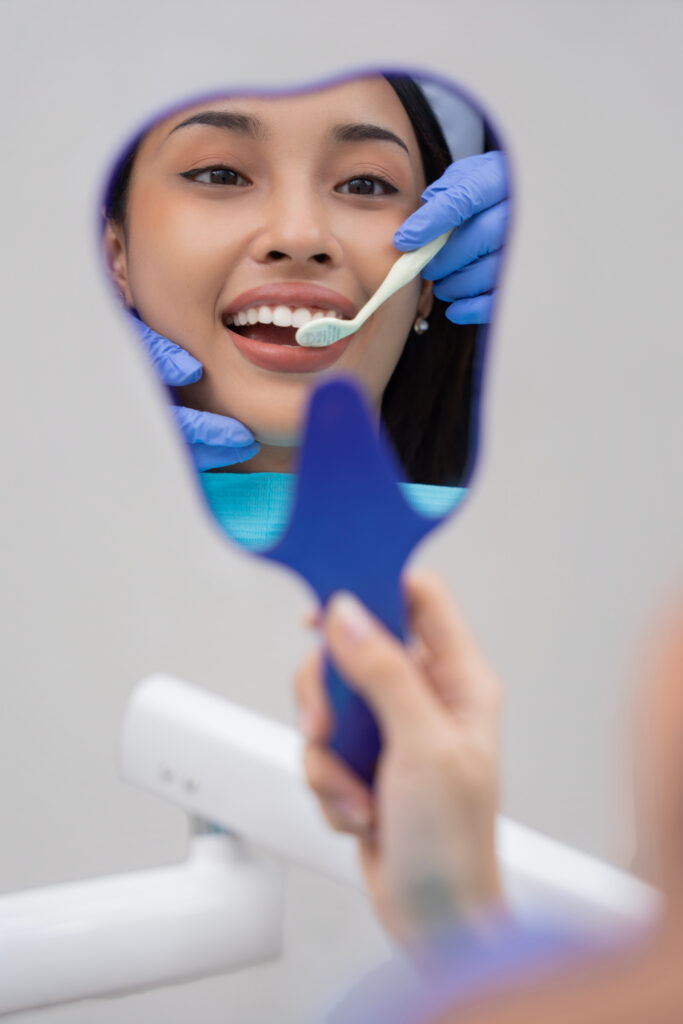
Porcelain veneers are thin, custom-made shells designed to cover the front surface of teeth in order to enhance their appearance. These restorations are commonly used in cosmetic dentistry to improve the shape, color, and alignment of teeth while maintaining a natural look. Patients looking for porcelain veneers in Jimbaran, Bali often choose this treatment to achieve a brighter and more symmetrical smile. Because porcelain veneers are fabricated in a dental laboratory, they are sometimes referred to as indirect veneers. Unlike direct composite veneers, porcelain veneers typically require at least two dental visits. During the first visit, the dentist prepares the teeth and takes impressions. The custom veneers are then crafted in a laboratory and permanently bonded during the second appointment. Many modern dental clinics in Jimbaran, Bali offer porcelain veneer treatments designed to deliver long-lasting cosmetic results with natural aesthetics. What Are Porcelain Veneers? Porcelain veneers are ultra-thin layers of ceramic material that are carefully bonded to the front surface of the teeth. They are designed to mimic the translucency and light reflection of natural tooth enamel, making them one of the most popular options in cosmetic dentistry. Dentists often recommend porcelain veneers in Bali for patients who want to correct visible imperfections while preserving most of the natural tooth structure. Porcelain veneers are commonly used to treat several aesthetic concerns, including: Discolored teeth that do not respond well to whitening treatments Chipped or cracked teeth Small gaps between teeth Uneven or slightly misaligned teeth Worn-down enamel Because of their natural appearance and durability, porcelain veneers are widely chosen by patients seeking smile makeover treatments in Jimbaran, Bali. Why Choose Indirect (Porcelain) Veneers? Indirect veneers made from porcelain are known for their superior aesthetic and functional benefits compared to other cosmetic dental solutions. One of the main advantages is their ability to closely replicate the appearance of natural teeth. Porcelain has a translucent quality that reflects light in a similar way to natural enamel, creating a more realistic smile. Patients choosing porcelain veneers in Jimbaran Bali often appreciate several key benefits: Highly durable and long-lasting Resistant to stains from coffee, tea, and smoking Natural-looking with realistic translucency Custom-designed to fit each patient’s smile Stronger and more stable than composite veneers With proper oral care and regular dental check-ups, porcelain veneers can last 10 to 15 years or even longer, making them a reliable long-term cosmetic investment. Benefits of Porcelain Veneers Porcelain veneers offer a number of advantages for patients seeking cosmetic dental improvements. Because the treatment focuses on the visible surface of the teeth, results are often noticeable immediately after placement. Some of the most common benefits include: Instant Smile Transformation Porcelain veneers can dramatically improve the appearance of teeth in a relatively short period of time. Many patients achieve a complete smile makeover within just a few dental visits. Improved Confidence A brighter and more balanced smile can significantly boost self-confidence in both personal and professional settings. Long-Lasting Cosmetic Results Compared to other cosmetic treatments, porcelain veneers are highly durable and resistant to discoloration. This makes them an excellent choice for long-term smile enhancement. Minimal Maintenance Maintaining porcelain veneers is similar to caring for natural teeth. Regular brushing, flossing, and dental check-ups help keep veneers in excellent condition. Natural Tooth Appearance Because porcelain closely mimics natural enamel, veneers blend seamlessly with surrounding teeth, creating a balanced and natural-looking smile. For these reasons, many patients choose porcelain veneer treatment in Jimbaran, Bali when looking for reliable and aesthetically pleasing cosmetic dental solutions. Porcelain Veneers Treatment in Jimbaran, Bali If you are looking to improve the appearance of your smile, porcelain veneers may be the ideal solution. Experienced dentists in Jimbaran, Bali provide personalized veneer treatments tailored to each patient’s dental structure and aesthetic goals. Consulting with a qualified dentist in Jimbaran Bali allows you to explore whether porcelain veneers, composite veneers, or other cosmetic dentistry procedures are the most suitable option for your smile. With modern dental technology and professional care, porcelain veneers can help restore confidence and create a natural, attractive smile that lasts for many years.
Comprehensive Dental Care: From Scaling to Cosmetic Enhancements | Nerisa Dental
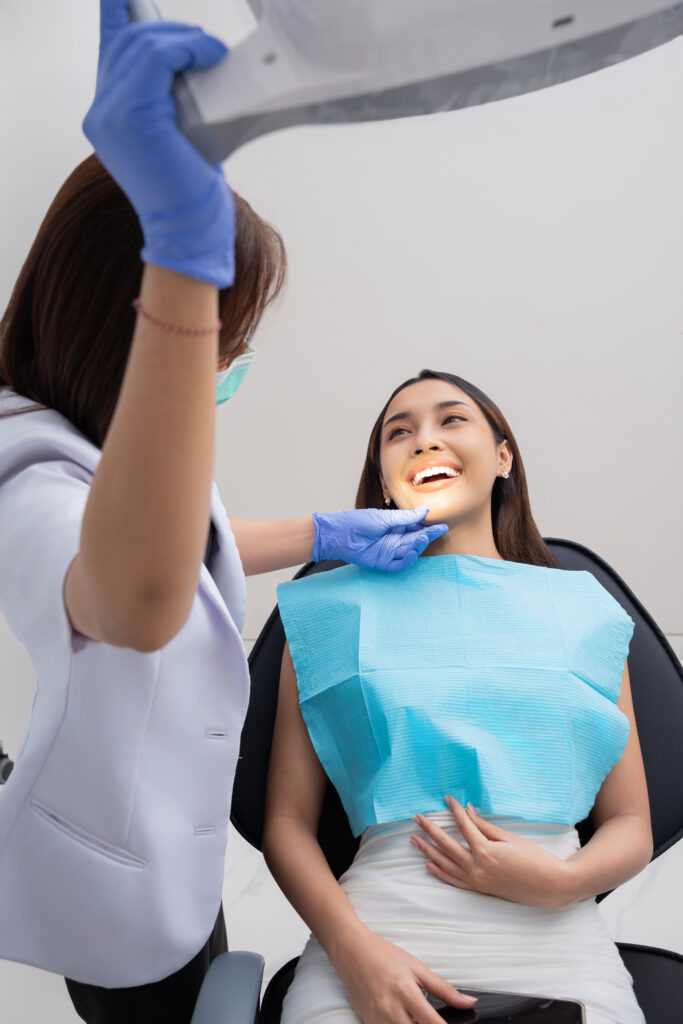
Why Professional Dental Scaling Is Essential for Healthy Gums? A bright smile is one of the first things people notice, but true oral health goes far beyond having white teeth. Healthy gums, clean tooth surfaces, and regular professional care are essential for preventing dental problems that can affect your overall well-being. One of the most important preventive dental treatments is professional teeth scaling. Many people mistakenly believe that brushing and flossing alone are enough to remove all plaque and bacteria. While daily oral hygiene is essential, some deposits become too hard to remove at home. Professional teeth scaling removes hardened tartar, plaque buildup, and bacteria that accumulate around the teeth and below the gum line. This simple procedure helps prevent gum disease, tooth decay, and bad breath while maintaining a healthier smile for years to come. Whether you are planning your first dental visit or wondering if it is time for another dental check-up, this comprehensive guide explains everything you need to know about teeth scaling. What Is Teeth Scaling? Dental scaling is a foundational, non-surgical procedure used to eliminate accumulated plaque and hardened tartar (calculus) from the teeth. Because tartar cannot be removed by regular brushing alone, it remains the leading cause of gum disease (gingivitis). Dentists use specialized ultrasonic scalers to safely chip away plaque from the surface and beneath the gumline. Modern dental clinics typically use two methods: Ultrasonic scaling Manual scaling instruments Many dentists combine both techniques to achieve the best cleaning results. Why Plaque and Tartar Are Harmful Every day, bacteria naturally accumulate inside the mouth. When food particles combine with bacteria, they form a sticky film called plaque. If plaque is not removed regularly, it hardens into tartar. Tartar cannot be removed by: Brushing Mouthwash Dental floss Only professional dental instruments can safely remove it. Over time, tartar buildup may cause: Gum inflammation Bleeding gums Persistent bad breath Tooth sensitivity Gum recession Tooth mobility Periodontal disease Ignoring tartar buildup allows bacteria to multiply below the gum line, increasing the risk of severe gum infections. Signs You Need Teeth Scaling Many patients wait until they experience pain before visiting a dental clinic. Unfortunately, gum disease often develops without noticeable symptoms during its early stages. Common warning signs include: Bleeding Gums If your gums bleed while brushing or flossing, it may indicate gingivitis caused by plaque accumulation. Persistent Bad Breath Chronic bad breath is frequently linked to bacteria hiding beneath tartar deposits. Yellow or Brown Deposits Visible tartar usually appears near the gum line and cannot be removed by brushing. Swollen Gums Healthy gums should appear firm and pink. Red, swollen gums are signs of inflammation. Sensitive Teeth Plaque and gum recession may expose sensitive tooth roots. Benefits of Professional Teeth Scaling Professional scaling offers much more than cosmetic improvements. Removes Harmful Bacteria Scaling significantly reduces bacterial colonies responsible for gum infections. Prevents Gum Disease Removing plaque and tartar prevents gingivitis from progressing into periodontitis. Fresher Breath By eliminating bacteria and food debris, scaling helps improve breath odor. Reduces Tooth Decay Cleaner teeth are less likely to develop cavities. Protects Your Smile Healthy gums provide stronger support for your teeth throughout life. Improves Overall Health Research has linked gum disease with several systemic health conditions, making preventive dental care even more important. Who Should Get Teeth Scaling? Most adults benefit from regular scaling. It is especially recommended for people who: Smoke Drink coffee frequently Wear braces Have diabetes Experience bleeding gums Have excessive tartar buildup Wear crowns or bridges Have previous gum disease Even patients with excellent oral hygiene should schedule routine professional cleaning because some tartar forms in areas impossible to reach with a toothbrush. The Teeth Scaling Procedure Explained Many people feel anxious before their first scaling appointment. Understanding the process can help reduce unnecessary fear. Step 1: Oral Examination Your dentist first examines your teeth and gums. They assess: Gum condition Tartar accumulation Tooth mobility Signs of infection Existing restorations Step 2: Ultrasonic Scaling An ultrasonic scaler uses gentle vibrations to break apart hardened tartar. Water continuously cools the instrument while washing away debris. Step 3: Manual Cleaning The dentist uses specialized hand instruments to remove remaining deposits. Step 4: Polishing After scaling, the teeth are polished to remove minor surface stains and smooth the enamel. Smooth surfaces make it harder for plaque to accumulate. Step 5: Oral Hygiene Advice Before leaving, patients receive personalized instructions on maintaining their oral health at home. Does Teeth Scaling Hurt? This is one of the most common questions patients ask. The answer depends on several factors: Healthy gums generally experience only mild discomfort. Patients with severe tartar buildup or gum inflammation may experience temporary sensitivity. If necessary, local anesthesia can be used to ensure maximum comfort. Modern ultrasonic equipment has made scaling much gentler than older techniques. How Long Does the Procedure Take? Treatment time varies depending on oral health. Typical appointments include: Mild buildup: 20–30 minutes Moderate buildup: 30–45 minutes Heavy tartar: 45–60 minutes Patients with advanced periodontal disease may require multiple appointments. Recovery After Teeth Scaling Recovery is usually quick. Some temporary symptoms include: Mild sensitivity Slight gum tenderness Minor bleeding Cold sensitivity These symptoms generally disappear within a few days. If severe pain persists, patients should contact their dentist immediately. Aftercare Tips Proper aftercare helps maximize the benefits of professional cleaning. Brush Twice Daily Use a soft-bristled toothbrush with fluoride toothpaste. Floss Every Day Floss removes plaque between teeth where brushes cannot reach. Avoid Smoking Smoking delays gum healing and increases plaque buildup. Drink Plenty of Water Water helps rinse away bacteria throughout the day. Limit Sugary Foods Sugar feeds bacteria responsible for plaque formation. Schedule Regular Dental Check-Ups Routine examinations allow dentists to detect problems before they become serious. Common Myths About Teeth Scaling Myth 1: Scaling Damages Teeth False. Scaling removes tartar—not healthy enamel. Myth 2: Teeth Become Loose Teeth may feel different after large tartar deposits are removed, but scaling does not loosen healthy teeth. Myth 3: Healthy Teeth
9 Signature Dental Care Services and All-in-One Dental Solutions for Your Perfect Smile : Available at Nerisa Dental Clinic
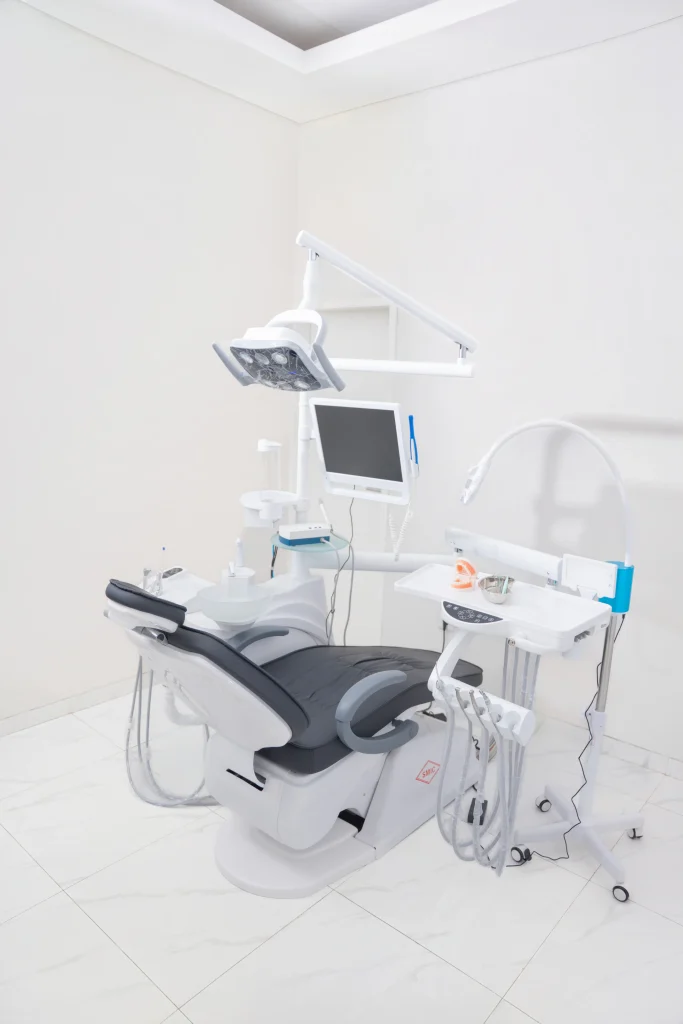
Oral health is a vital window into our overall well-being. Maintaining a bright, functional smile not only improves how we chew and speak but also significantly boosts our self-esteem. In modern dentistry, patients have access to an array of procedures tailored to prevention, restoration, and aesthetic enhancement. If you are planning your next visit to the dentist, here is a concise guide to 9 of the most popular dental treatments, explaining what they are and how they benefit your teeth. Dental Scaling Dental scaling is a foundational, non-surgical procedure used to eliminate accumulated plaque and hardened tartar (calculus) from the teeth. Because tartar cannot be removed by regular brushing alone, it remains the leading cause of gum disease (gingivitis). Dentists use specialized ultrasonic scalers to safely chip away plaque from the surface and beneath the gumline. Key Benefit: Prevents bleeding gums, eliminates bad breath (halitosis), and protects the underlying bone structures supporting your teeth. Teeth Whitening Teeth whitening is a popular cosmetic treatment designed to brighten teeth stained or discolored by coffee, tea, smoking, red wine, or aging. This professional procedure involves applying a high-concentration peroxide gel to the teeth, which is then activated using a specialized laser or LED light in the dental chair. Key Benefit: Provides instant, noticeable results in 45-60 minutes, shifting teeth several shades whiter and restoring a youthful radiance. Tooth Filling When bacteria erode the tooth enamel and form a cavity, a tooth filling is required to restore it. The dentist removes the decayed portion of the tooth, cleans the affected area, and seals it. Today, natural-looking composite resins are the standard choice because they match the exact color of your teeth flawlessly. Key Benefit: Halts the progression of tooth decay, restores the physical structure of the tooth, and eliminates sensitivity to hot or cold food. Tooth Extraction While preserving your natural teeth is always a dentist’s primary goal, a tooth extraction (removal) sometimes becomes inevitable. This treatment is reserved for severely decayed teeth that cannot be restored, deep structural fractures, severe root infections, or crowded conditions such as impacted wisdom teeth. Key Benefit: Eliminates chronic sources of infection, relieves intense dental pain, and prevents damage to surrounding healthy teeth. Dental Bridge A dental bridge is a reliable prosthetic option used to replace one or more missing teeth in a row. The procedure literally bridges the gap by placing a custom-made artificial tooth (pontic) in the space, anchored securely to the healthy natural teeth on either side (abutment teeth) which are capped with crowns. Key Benefit: Restores normal chewing and speaking capacities, maintains proper facial structure, and prevents neighboring teeth from shifting out of place. Root Canal Treatment When a cavity is left untreated for too long, bacteria breach the deepest chamber of the tooth—the pulp—causing painful inflammation of the nerves and blood vessels. A root canal treatment involves opening the tooth, removing the infected pulp, disinfecting the internal canals, and sealing the space permanently to prevent re-infection. Key Benefit: Saves the natural tooth structure from needing extraction, effectively alleviating severe throbbing pain while preserving the tooth’s function. Indirect Porcelain Veneer Indirect porcelain veneers are a premium cosmetic enhancement where ultra-thin shells of dental porcelain are custom-fabricated in a laboratory and bonded to the front surfaces of your teeth. Unlike direct composite veneers, indirect veneers require minimal enamel preparation and offer a highly translucent, lifelike texture that mimics natural enamel. Key Benefit: Successfully corrects teeth gaps, chips, mild misalignment, and severe discoloration with a highly durable, stain-resistant finish. Orthodontic Brackets (Braces) This classic orthodontic treatment utilizes brackets bonded to individual teeth, connected by an archwire that exerts light, steady pressure over time. This continuous force gradually shifts teeth into their ideal positions. The treatment duration ranges from several months to years, depending on the severity of the alignment issues. Key Benefit: Corrects bite misalignments (malocclusions), fixes crowded or crooked teeth, and significantly improves overall facial aesthetics. Dental Crown A dental crown is a custom-made ‘cap’ placed over a tooth that has been severely weakened, cracked, heavily filled, or treated with a root canal. The crown encases the entire visible portion of the tooth above the gumline, fully restoring its original shape, size, and strength. Materials usually range from full porcelain to porcelain-fused-to-metal (PFM). Key Benefit: Re-fortifies structurally compromised teeth to prevent fractures and completely restores the seamless, natural look of the smile. Conclusion Every type of dental treatment has its own precise indications and clinical goals. The best approach to deciding which treatment is right for your unique oral health needs is to schedule routine check-ups and professional consultations with your dentist at least once every six months.
Tooth Extraction Explained: Procedure, Recovery, and Tips
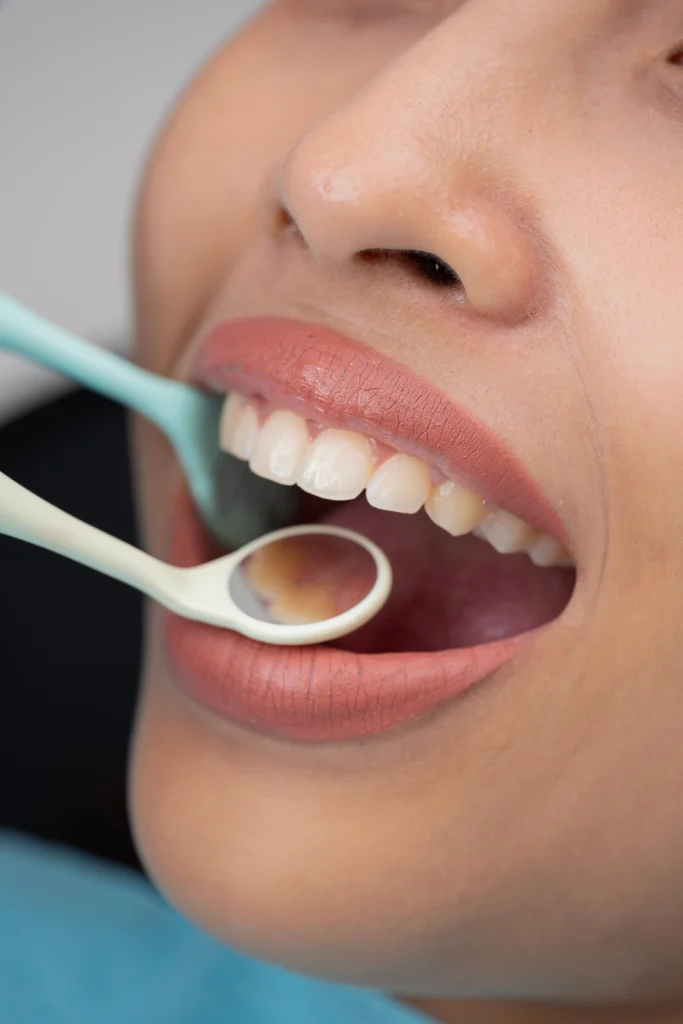
Tooth extraction is a dental procedure performed to remove a tooth that is severely damaged, infected, or cannot be preserved through other treatments. While dentists always aim to save natural teeth whenever possible, extraction may be necessary to protect overall oral health. Many patients visiting dental clinics in Bali, Indonesia seek tooth extraction due to severe decay, infection, or impacted wisdom teeth. Modern dental technology and anesthesia techniques make the procedure safe, quick, and relatively comfortable for most patients. What Is Tooth Extraction? A tooth extraction is one of the most common dental procedures performed today. While the thought of having a tooth pulled can sound intimidating, modern dentistry makes the process safe, quick, and virtually painless. Whether you need a simple extraction or are preparing for wisdom teeth removal, understanding the process and proper aftercare can help ensure a smooth recovery. Dental clinics in Denpasar, Bali, Kuta, Seminyak, and Canggu commonly perform tooth extraction procedures for both local residents and international patients seeking affordable dental care in Bali. Before the extraction begins, the dentist will numb the area using local anesthesia to ensure the patient remains comfortable throughout the procedure. Does Tooth Extraction Hurt? One of the most common concerns patients have is whether tooth extraction is painful. Fortunately, modern dental procedures make the process much more comfortable than many people expect. During the extraction, local anesthesia is applied to completely numb the surrounding area. Patients may feel slight pressure or movement, but they should not experience sharp pain. After the anesthesia wears off, mild symptoms such as soreness, swelling, or slight bleeding may occur. These symptoms are normal and typically subside within a few days. Dentists usually provide pain medication and aftercare instructions to support proper healing. Many patients who undergo tooth extraction in Bali report minimal discomfort when the procedure is performed by experienced dental professionals. Common Reasons for Tooth Extraction Dentists recommend tooth extraction only when other treatment options are no longer effective. Several dental conditions may require a tooth to be removed in order to prevent further complications. Severe Tooth Decay When tooth decay becomes too extensive and damages the tooth structure beyond repair, extraction may be the only solution. In these cases, removing the affected tooth helps prevent infection from spreading to nearby teeth. Advanced Gum Disease Periodontitis, a severe form of gum disease, can weaken the bone and tissues supporting the teeth. If the tooth becomes loose and cannot be stabilized, extraction may be necessary. Tooth Infection or Abscess A severe dental infection or abscess can cause significant pain and swelling. If the infection cannot be treated effectively with root canal therapy, removing the tooth may be the safest option to stop the spread of bacteria. Impacted Wisdom Teeth Impacted wisdom teeth are one of the most common reasons patients seek wisdom tooth extraction in Bali. These teeth often grow at an angle or become trapped beneath the gum, causing pain, swelling, or infection. Overcrowding Before Orthodontic Treatment In some orthodontic cases, dentists may recommend removing one or more teeth to create enough space for proper alignment before braces or clear aligner treatment. Broken or Fractured Teeth Teeth that are severely broken due to trauma or accidents may not always be repairable. If the fracture extends below the gum line, extraction might be necessary. Benefits Tooth Extraction: Eliminates infection sources Prevents overcrowding Reduces pain and discomfort What Happens After a Tooth Extraction? After the procedure, a small blood clot forms in the extraction site, which is an important part of the healing process. Patients are usually advised to follow several aftercare steps, such as: Avoid drinking through a straw for the first 24 hours Eat soft foods for a few days Avoid smoking or alcohol during the healing period Follow all medication instructions provided by the dentist Healing typically takes a few days to one week, depending on the complexity of the extraction. Tooth Replacement Options After Extraction In many cases, dentists recommend replacing the missing tooth to maintain proper bite alignment and prevent neighboring teeth from shifting. Common replacement options include: Dental implants Dental bridges Partial dentures Dental clinics offering tooth replacement and dental implants in Bali can help patients restore both function and aesthetics after an extraction. Finding a Trusted Dentist for Tooth Extraction in Bali If you are experiencing severe tooth pain, infection, or impacted wisdom teeth, it is important to consult a qualified dentist as soon as possible. Many professional dental clinics in Denpasar, Bali, and surrounding areas provide safe and affordable tooth extraction services for both locals and international visitors. Early consultation helps prevent complications and allows dentists to recommend the most suitable treatment for your oral health.
Why You Shouldn’t Ignore Missing Teeth: The Role of Dental Bridges in Nerisa Dental
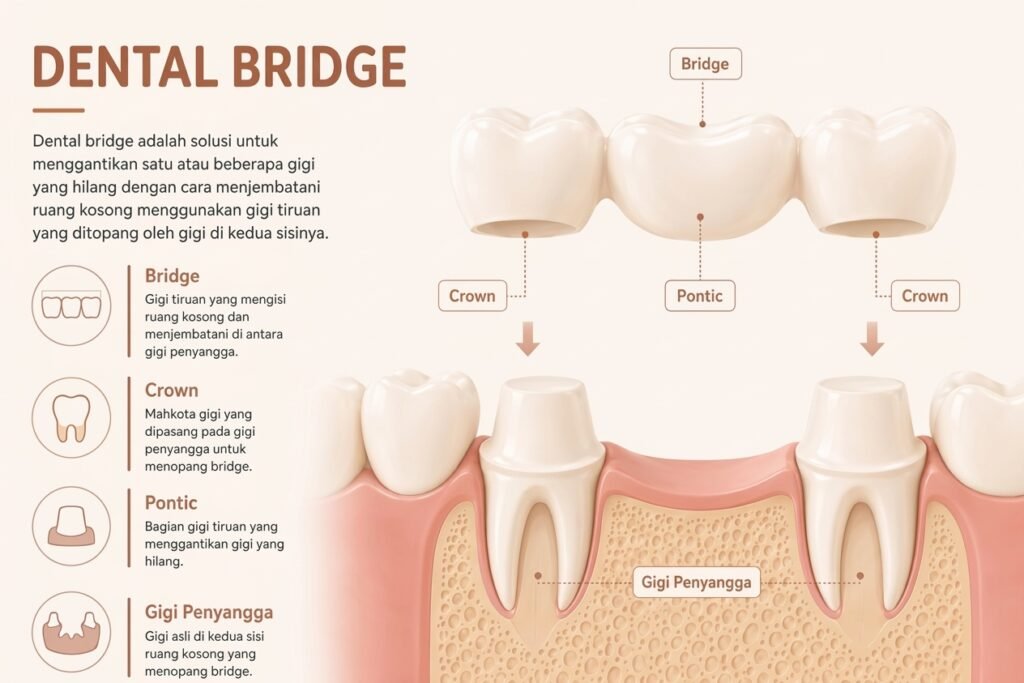
A dental bridge is a fixed dental restoration used to replace one or more missing teeth. It works by anchoring an artificial tooth (or teeth) to the natural teeth or dental implants located on either side of the gap. For patients experiencing tooth loss, a dental bridge in Jimbaran, Bali can restore both function and appearance. The treatment helps patients chew properly, speak clearly, and maintain a natural-looking smile. Many dental clinics in Jimbaran, Bali, Indonesia offer high-quality dental bridge treatments using modern materials that closely resemble natural teeth. What Is a Dental Bridge? A dental bridge is a reliable prosthetic option used to replace one or more missing teeth in a row. The procedure literally bridges the gap by placing a custom-made artificial tooth (pontic) in the space, anchored securely to the healthy natural teeth on either side (abutment teeth) which are capped with crowns. Dentists commonly recommend dental bridges in Bali as a reliable solution when patients are not suitable candidates for dental implants or prefer a more affordable tooth replacement option. With proper care, a dental bridge can last many years while restoring both dental function and aesthetics. Benefits of a Dental Bridge Dental bridges provide several important advantages for patients who have lost one or more teeth. Restore Chewing Ability Missing teeth can make it difficult to chew certain foods properly. A dental bridge restores bite strength and allows patients to eat more comfortably. Improve Appearance Gaps caused by missing teeth can affect a person’s smile and overall facial harmony. A well-designed dental bridge restores the natural appearance of the teeth and improves confidence. Prevent Teeth from Shifting When a tooth is lost, the surrounding teeth may gradually shift toward the empty space. This movement can lead to alignment problems and bite issues. A dental bridge helps keep the teeth in their correct position. Maintain Facial Structure Tooth loss over time can contribute to subtle changes in facial structure. Replacing missing teeth with a dental bridge helps maintain proper support for the lips and cheeks. Because of these benefits, many patients choose dental bridge treatment in Jimbaran, Bali to restore their smile and maintain long-term oral health. Why Is a Dental Bridge Needed? When a tooth is lost due to severe decay, trauma, or extraction, the empty space left behind can create several dental problems if not treated. Without a proper replacement, surrounding teeth may shift into the gap, which can lead to a range of complications, including: Bite problems (malocclusion) Difficulty chewing food properly Speech difficulties Jaw discomfort or pain Gradual changes in facial appearance A dental bridge in Bali helps maintain proper alignment of the teeth and prevents these issues from developing over time. Dentists in Jimbaran dental clinics often recommend dental bridges as part of a comprehensive restorative treatment plan for patients with missing teeth. How to Care for Your Dental Bridge Proper oral hygiene is essential to keep a dental bridge in good condition and to protect the supporting teeth and gums. Here are several important care tips recommended by dentists: Brush Twice a Day Use fluoride toothpaste and a soft-bristled toothbrush to clean your teeth and bridge at least twice daily. Clean Around the Bridge Food particles can accumulate around the bridge area. Using dental floss or floss threaders helps clean underneath the pontic and along the gum line. Avoid Very Hard Foods Although dental bridges are durable, biting extremely hard foods may damage the restoration or the supporting teeth. Schedule Regular Dental Check-ups Routine visits to a dentist in Jimbaran, Bali help ensure your dental bridge remains in good condition. Your dentist can also check for early signs of gum disease or decay around the supporting teeth. With proper care and regular dental visits, a dental bridge can last for many years while maintaining both comfort and function. Dental Bridge Treatment in Jimbaran, Bali If you are missing one or more teeth, a dental bridge may be an effective solution to restore your smile and oral health. Many modern dental clinics in Jimbaran, Bali provide customized dental bridge treatments using advanced dental technology and high-quality materials. Consulting with an experienced dentist in Jimbaran Bali allows you to explore the most suitable tooth replacement options, whether it is a dental bridge, dental implant, or another restorative treatment. Early treatment helps prevent further dental problems and ensures long-term oral health.
Bridging the Gap to a Beautiful Smile: The Benefits of Modern Dental Bridges
A dental bridge is a fixed dental restoration used to replace one or more missing teeth. It works by anchoring an artificial tooth (or teeth) to the natural teeth or dental implants located on either side of the gap. For patients experiencing tooth loss, a dental bridge in Jimbaran, Bali can restore both function and appearance. The treatment helps patients chew properly, speak clearly, and maintain a natural-looking smile. Many dental clinics in Jimbaran, Bali, Indonesia offer high-quality dental bridge treatments using modern materials that closely resemble natural teeth. What Is a Dental Bridge? A dental bridge is designed to literally “bridge” the gap created by missing teeth. The prosthetic tooth, known as a pontic, is supported by crowns placed on the adjacent teeth or by dental implants. Dentists commonly recommend dental bridges in Bali as a reliable solution when patients are not suitable candidates for dental implants or prefer a more affordable tooth replacement option. With proper care, a dental bridge can last many years while restoring both dental function and aesthetics. Benefits of a Dental Bridge Dental bridges provide several important advantages for patients who have lost one or more teeth. Restore Chewing Ability Missing teeth can make it difficult to chew certain foods properly. A dental bridge restores bite strength and allows patients to eat more comfortably. Improve Appearance Gaps caused by missing teeth can affect a person’s smile and overall facial harmony. A well-designed dental bridge restores the natural appearance of the teeth and improves confidence. Prevent Teeth from Shifting When a tooth is lost, the surrounding teeth may gradually shift toward the empty space. This movement can lead to alignment problems and bite issues. A dental bridge helps keep the teeth in their correct position. Maintain Facial Structure Tooth loss over time can contribute to subtle changes in facial structure. Replacing missing teeth with a dental bridge helps maintain proper support for the lips and cheeks. Because of these benefits, many patients choose dental bridge treatment in Jimbaran, Bali to restore their smile and maintain long-term oral health. Why Is a Dental Bridge Needed? When a tooth is lost due to severe decay, trauma, or extraction, the empty space left behind can create several dental problems if not treated. Without a proper replacement, surrounding teeth may shift into the gap, which can lead to a range of complications, including: Bite problems (malocclusion) Difficulty chewing food properly Speech difficulties Jaw discomfort or pain Gradual changes in facial appearance A dental bridge in Bali helps maintain proper alignment of the teeth and prevents these issues from developing over time. Dentists in Jimbaran dental clinics often recommend dental bridges as part of a comprehensive restorative treatment plan for patients with missing teeth. A dental bridge is used to replace one or more missing teeth by anchoring artificial teeth to adjacent natural teeth. Benefits to use dental bridge: Restores chewing ability Maintains facial structure Prevents teeth shifting How to Care for Your Dental Bridge Proper oral hygiene is essential to keep a dental bridge in good condition and to protect the supporting teeth and gums. Here are several important care tips recommended by dentists: Brush Twice a Day Use fluoride toothpaste and a soft-bristled toothbrush to clean your teeth and bridge at least twice daily. Clean Around the Bridge Food particles can accumulate around the bridge area. Using dental floss or floss threaders helps clean underneath the pontic and along the gum line. Avoid Very Hard Foods Although dental bridges are durable, biting extremely hard foods may damage the restoration or the supporting teeth. Schedule Regular Dental Check-ups Routine visits to a dentist in Jimbaran, Bali help ensure your dental bridge remains in good condition. Your dentist can also check for early signs of gum disease or decay around the supporting teeth. With proper care and regular dental visits, a dental bridge can last for many years while maintaining both comfort and function. Dental Bridge Treatment in Jimbaran, Bali If you are missing one or more teeth, a dental bridge may be an effective solution to restore your smile and oral health. Many modern dental clinics in Jimbaran, Bali provide customized dental bridge treatments using advanced dental technology and high-quality materials. Consulting with an experienced dentist in Jimbaran Bali allows you to explore the most suitable tooth replacement options, whether it is a dental bridge, dental implant, or another restorative treatment. Early treatment helps prevent further dental problems and ensures long-term oral health. Post-Care & Aftercare Specialized hygiene tools, such as bridge threaders or interdental brushes, must be used daily to clean underneath the floating pontic and around abutment crowns to prevent recurrent decay beneath the restorations.
How Long Does Teeth Whitening Last? Tips to Maintain Your Bright Smile
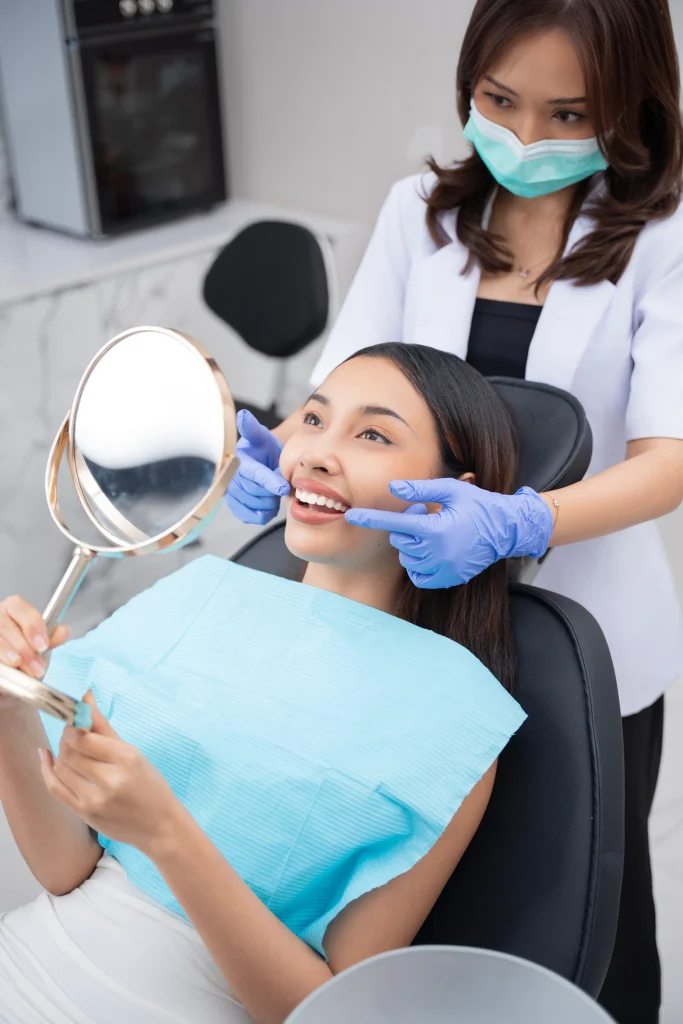
There’s something timeless about a bright, luminous smile — it’s the universal symbol of confidence. But in an age of coffee culture, red wine, and constant exposure, maintaining that brilliance takes more than toothpaste promises. Enter professional teeth whitening, one of the fastest-growing treatments in modern aesthetics. No longer reserved for red-carpet moments, it has become an everyday luxury — and at Nerisa Aesthetic, it’s reimagined as both science and self-expression. The Psychology of a Smile Studies show that people with whiter smiles are perceived as more confident, approachable, and even successful. But beyond perception, the feeling of having a radiant smile can deeply influence self-esteem. At Nerisa Aesthetic, teeth whitening isn’t just cosmetic — it’s transformational. The process restores the natural color of enamel while enhancing your overall appearance with remarkable subtlety. The Modern Whitening Method Unlike over-the-counter kits, professional whitening uses clinical-grade gels activated by LED or laser light to gently break down stains within the enamel. At Nerisa Aesthetic, the treatment is customized to your tooth sensitivity and desired shade, ensuring maximum brightness with zero discomfort. Within just 45 minutes, clients often achieve results up to 8 shades lighter — instantly revitalizing their smile. The clinic’s commitment to precision and safety ensures every session is both comfortable and effective. Under the supervision of skilled dental specialists, the process delivers long-lasting radiance without compromising enamel health. When Confidence Meets Care True luxury lies in personalization — and Nerisa Aesthetic embraces that philosophy fully. From pre-treatment assessment to post-whitening care, every detail is tailored to ensure your comfort and satisfaction. What sets Nerisa apart is its holistic approach: aesthetic expertise combined with medical precision. The result? A smile that’s not just whiter, but authentically radiant — perfectly aligned with your individuality. More Than a Treatment, It’s a Transformation Professional whitening is more than vanity; it’s visibility — the courage to smile freely, to meet the world with confidence. In today’s era of self-expression, your smile is your signature. At Nerisa Aesthetic, every whitening session becomes a moment of renewal — restoring not just brightness, but the joy of self-assurance. Light up the world with your smile. ✨ Book your professional whitening session at Nerisa Aesthetic, and rediscover the confidence behind every perfect grin.
What to Expect When Getting a Tooth Filling: A Step-by-Step Guide
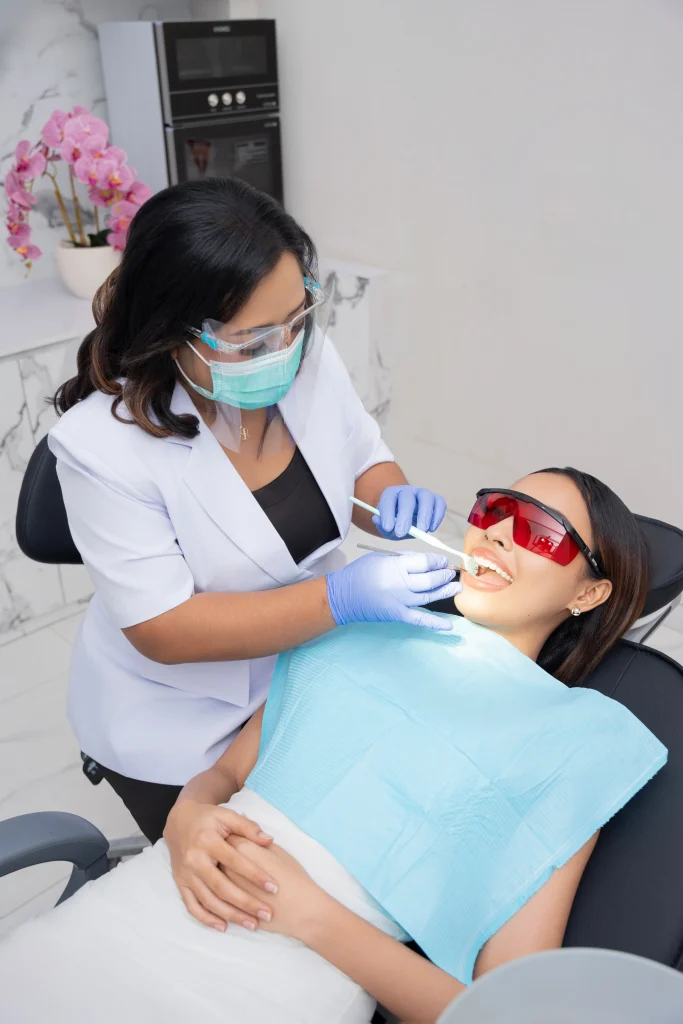
A healthy smile is the foundation of your confidence, but cavities can happen to the best of us. If you are exploring the beautiful landscapes of Bali and notice a twinge of discomfort, a tooth filling is the most effective restorative procedure to repair cavities caused by decay. At our modern clinics in Denpasar and Badung, we prioritize your comfort while restoring your dental health using high-quality materials. What is a Tooth Filling? When bacteria erode the tooth enamel and form a cavity, a tooth filling is required to restore it. The dentist removes the decayed portion of the tooth, cleans the affected area, and seals it. Today, natural-looking composite resins are the standard choice because they match the exact color of your teeth flawlessly. Key Benefits of Getting a Filling Choosing to treat a cavity early at a trusted Bali dental clinic offers several advantages: Restores Tooth Function: Regain the ability to chew and speak without discomfort. Prevents Further Decay: Sealing the cavity stops bacteria from digging deeper into the tooth. Protects Tooth Structure: Fillings provide the necessary support to keep the remaining tooth strong. Relieves Sensitivity and Pain: Say goodbye to that sharp ache when eating or drinking. By opting for early treatment, you prevent more serious—and expensive—dental issues like root canals or extractions down the road. When Should You See a Dentist in Bali? Cavities aren’t always visible to the naked eye, but your body often sends warning signs. You may need a tooth filling if you notice: Persistent toothache or sharp pain. Increased sensitivity to hot, cold, or sugary treats. Visible dark spots or holes on the surface of your teeth. Chipped or broken teeth that feel rough to the tongue. Food frequently getting stuck in a specific area after meals.
Is Dental Scaling Safe? What You Should Know Before Your Appointment
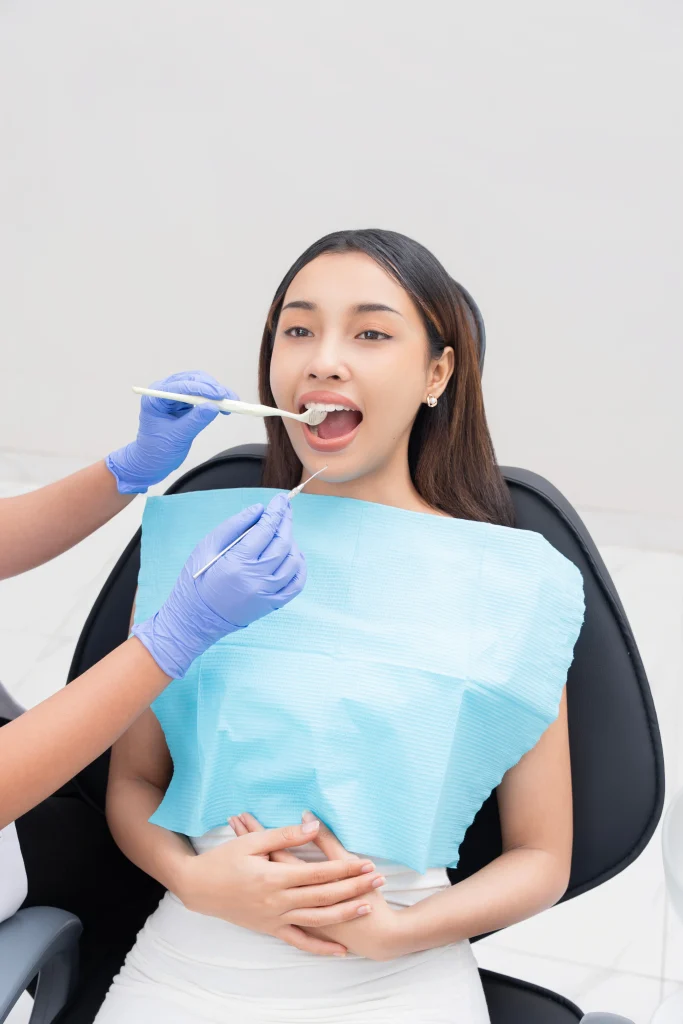
Maintaining optimal oral hygiene is essential, especially while enjoying the vibrant culinary scene in Bali. One of the most critical yet frequently overlooked procedures is Dental Scaling. What Is Dental Scaling? Dental scaling is a professional, non-surgical procedure designed to clean and remove stubborn tartar from all tooth surfaces and beneath the gum line. In modern dental clinics, this method is efficiently performed using either a manual scraper or an advanced ultrasonic scaler for a more comfortable experience. Understanding Tartar (Calculus) Tartar is formed from plaque that hardens due to the continuous accumulation of food debris and bacteria in the mouth. If not cleaned regularly, plaque mineralizes with saliva and transforms into hard tartar. When left untreated, tartar can lead to serious oral health issues, including: Bleeding gums Bad breath (halitosis) Gingivitis (gum inflammation) Periodontal disease Loose teeth Benefits of Regular Dental Scaling Undergoing a professional cleaning at a dental clinic in Bali offers numerous health advantages: Prevents Gum Disease: Removing tartar effectively prevents inflammation and infection of the gum tissue. Eliminates Bad Breath: Scaling targets the bacteria hidden in plaque and tartar, which are the primary causes of persistent bad breath. Maintains Supporting Bone Health: Regular treatment helps prevent long-term damage to the supporting tissues and bone of the teeth. Enhances Smile Aesthetics: After the procedure, your teeth will feel smoother and look noticeably brighter. Pro-Tips for Maintaining Your Scaling Results To keep your smile fresh after your visit to a dentist in Bali, follow these essential aftercare tips: Brush your teeth at least twice a day. Use dental floss daily to reach between teeth. Use an antiseptic mouthwash to reduce bacteria. Avoid excessive consumption of sugary foods and drinks. Schedule regular check-ups with your dentist every six months.
How to Keep Your Teeth White Naturally After Professional Whitening
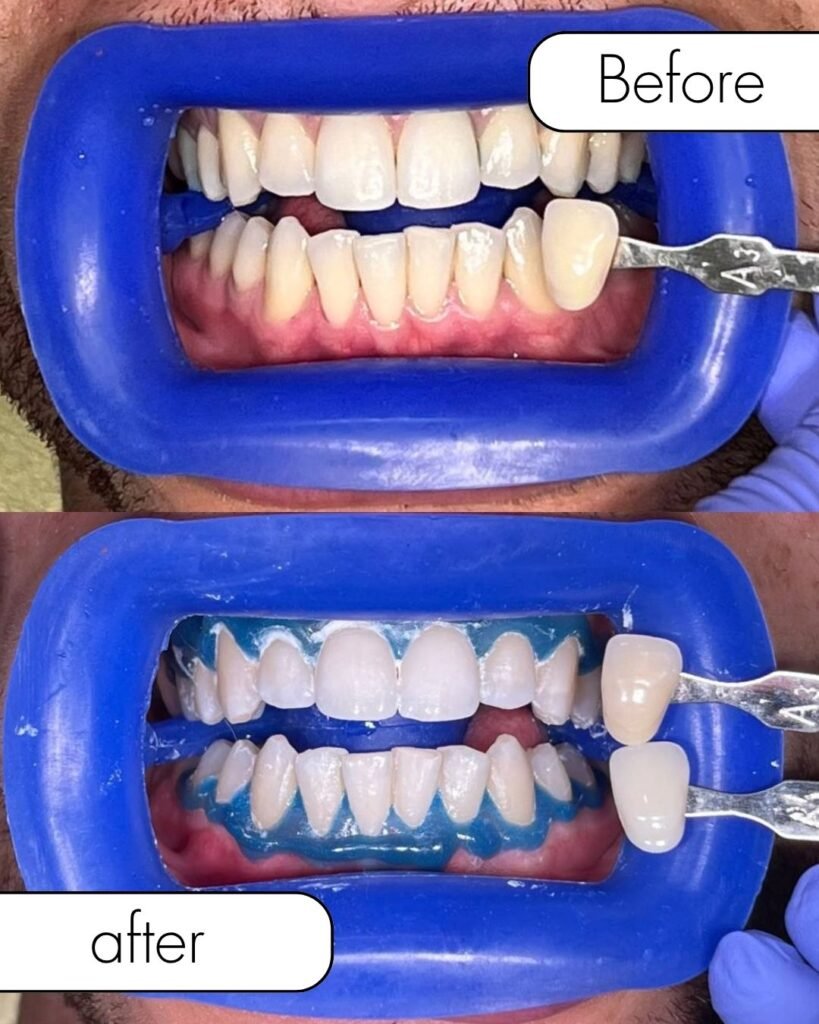
A bright, confident smile is one of your best assets, especially when you are exploring the tropical beauty of Bali. Teeth whitening is a premier cosmetic dental procedure meticulously designed to lighten the natural color of your teeth while effectively removing stubborn stains or discoloration. As one of the most sought-after aesthetic treatments in Denpasar and Seminyak, it offers a simple, non-invasive way to dramatically enhance your smile’s appearance. Why Do Teeth Lose Their Sparkle? Over time, it is natural for teeth to become yellow, dull, or stained. This happens due to various internal and external factors, such as aging or enjoying Bali’s famous coffee and colorful local cuisine. Professional whitening treatments in Bali use safe, high-quality bleaching agents to break down these deep-seated stains, resulting in a significantly whiter and more radiant glow. Is the Procedure Safe? When performed correctly under professional dental supervision, teeth whitening is considered very safe. While the process is gentle, some individuals may experience temporary side effects, including: Tooth sensitivity Mild gum irritation These minor effects typically subside within just a few days. It is highly recommended to consult with a qualified Bali dentist before starting treatment, particularly if you have pre-existing sensitive teeth, gum disease, or dental restorations like crowns and veneers. Benefits Teeth Whitening Treatments: Enhances your smile appearance Boosts self-confidence Quick and noticeable results How Long Will Your Results Last? The longevity of your dazzling new smile depends largely on your personal lifestyle and oral hygiene habits. Generally, results can last anywhere from several months up to three years. To maintain your bright results while enjoying your time in Bali, follow these essential tips: Brush and floss daily to prevent new plaque buildup. Avoid staining foods and drinks such as turmeric-rich dishes, red wine, or dark sodas. Quit smoking to prevent rapid yellowing. Schedule regular dental check-ups at a trusted local clinic. Consider touch-up treatments periodically to keep the shade consistent.